WORLD WAR II
Chile
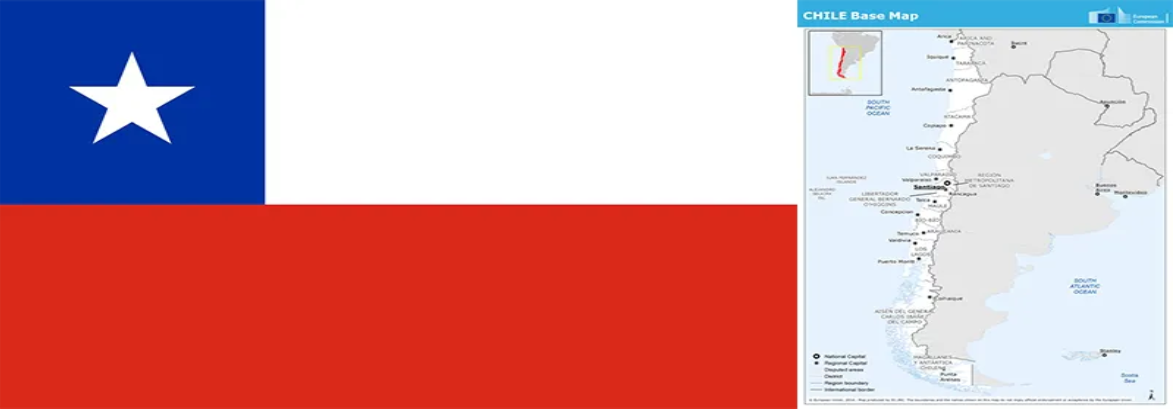
Chile maintained a stance of neutrality throughout the majority of World War II, but it wasn’t until 1943 that Chile severed diplomatic relations with the Axis powers. In 1945, Chile officially declared war on Japan, aligning itself with the Allied forces. During the war, Chile did not engage in direct military combat, and thus, there were no battle related casualties or significant military mobilisations within its borders.
Economically, World War II had a profound impact on Chile. The global demand for raw materials, particularly copper, surged due to the war effort. Chile, being one of the world’s leading copper producers, experienced a significant economic upturn.
The increased demand led to higher incomes, which facilitated the expansion of public services, including education, and spurred industrial development. This period marked a departure from the economic stagnation of the 1930s, positioning Chile on a path toward modernisation and growth.
The end of World War II in 1945 ushered in a new era of international relations and economic dynamics. For Chile, the post-war period meant navigating a world where global powers were redefining their spheres of influence. The economic boom experienced during the war laid the foundation for future development, but it also exposed the nation’s dependency on raw material exports. In the following decades, Chile faced challenges in diversifying its economy and addressing social inequalities that became more pronounced as the initial post-war economic benefits began to wane.
In contemporary Chilean society, the legacy of World War II is evident in its economic structures and international relations. The wartime emphasis on copper production reinforced the industry’s central role in the national economy, a trend that persists today. The war period highlighted the importance of global trade networks, influencing Chile’s ongoing efforts to engage in international markets and trade agreements.
Declared War on Japan
0
1943
Copper Boom
While Chile’s direct involvement in World War II was limited, the conflict significantly influenced its economic trajectory and societal development. The war induced demand for resources catalysed economic growth, which, in turn, impacted public services and industrialisation. The post-war era presented challenges and opportunities that have shaped the nation’s path to the present day.
(Never Again – For Humanity)