WORLD WAR II
Cuba

Cuba’s strategic location in the Caribbean and its economic ties to the Allied forces positioned it as a crucial player during World War II. Following the attack on Pearl Harbor on 7th December 1941, Cuba swiftly declared war on the Axis powers, aligning itself with the Allies. This decision was influenced by Cuba’s economic dependence on the United States and a shared commitment to countering fascist expansion.
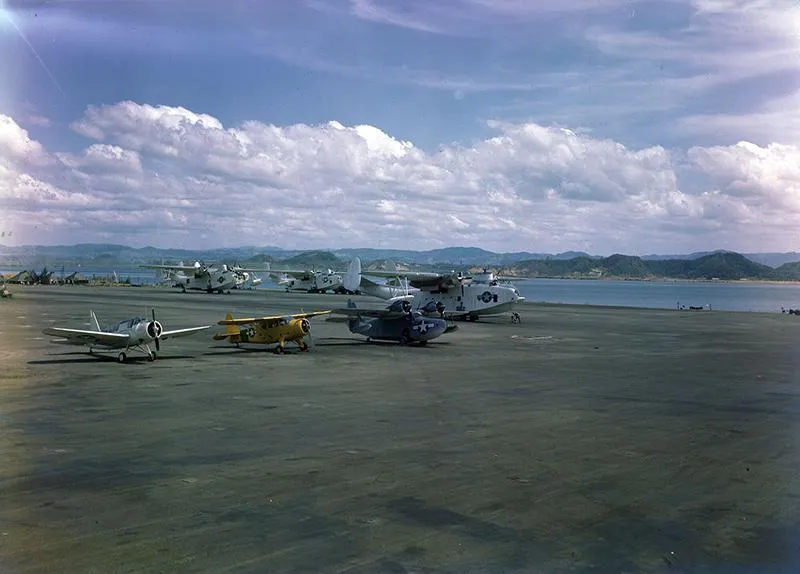
The Cuban government collaborated closely with the U.S., allowing the establishment of military bases on the island and participating in joint naval operations to secure the Caribbean Sea against German U-boat threats. The Caribbean Sea became a battleground as German submarines targeted Allied shipping routes.

Cuba’s merchant marine suffered considerable losses during this period. Notably, 6 Cuban merchant ships were sunk by German U-boats, resulting in the loss of approximately 80 lives, including both sailors and American armed guards stationed on these vessels. The most devastating attack occurred on 12th August 1942, when the steamers Manzanillo and Santiago de Cuba were torpedoed by U-508 while sailing in convoy off the Florida Keys, leading to 33 fatalities. Another significant loss was the sinking of the Libertad on 4th December 1943, by U-129 near Cape Hatteras, North Carolina, which resulted in 25 deaths. These attacks not only underscored the perilous conditions faced by Cuban mariners but also had profound effects on their families and communities.
Economically, Cuba played a vital role as a supplier of sugar, a commodity in high demand during the war. The island’s sugar industry ramped up production to meet the needs of Allied nations, leading to economic growth and increased employment opportunities. However, this surge also made Cuba’s economy heavily reliant on fluctuating global sugar prices. The post-war period saw a decline in demand, which, coupled with the loss of wartime subsidies, led to economic hardships.
War Declared
6 Ships
Merchant Vessels Lost
80
12 Aug 1942
Major U-boat Attack
The sudden drop in sugar prices after the war’s end precipitated a severe recession, affecting the livelihoods of many Cubans and leading to widespread social unrest. The increased demand for labor in industries such as sugar production and manufacturing opened new employment opportunities for women, challenging traditional gender roles. Women took on roles previously dominated by men, leading to a gradual shift in societal perceptions about gender and work. This shift laid the groundwork for future movements advocating for women’s rights and greater gender equality in Cuba.
World War II profoundly influenced Cuba’s maritime security, economy, and social fabric. The loss of merchant ships and lives highlighted the global reach of the war, while economic fluctuations underscored the vulnerabilities of a mono-crop economy. The war also served as a catalyst for social change, particularly in advancing the role of women in the workforce. These experiences have left an enduring legacy, shaping Cuba’s post-war development and societal evolution.
(Never Again – for Humanity)