WORLD WAR II
Denmark
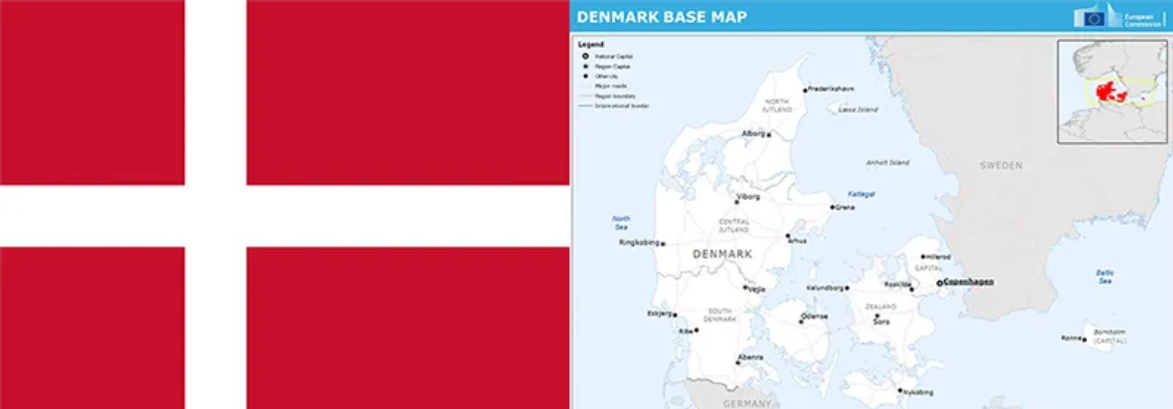
On 9th April 1940, Germany launched Operation Weserübung, which led to the swift occupation of Denmark. This approach allowed Denmark to retain control over domestic affairs initially, with its parliament and monarchy remaining intact. However, as German demands escalated, tensions grew, culminating in the resignation of the Danish government in August 1943, after which Germany imposed direct military rule. Modern estimates suggest that more than 6,600 Danes died as a direct result of the conflict. Approximately half of these fatalities were civilians, including over 1,000 sailors who perished due to submarine attacks.
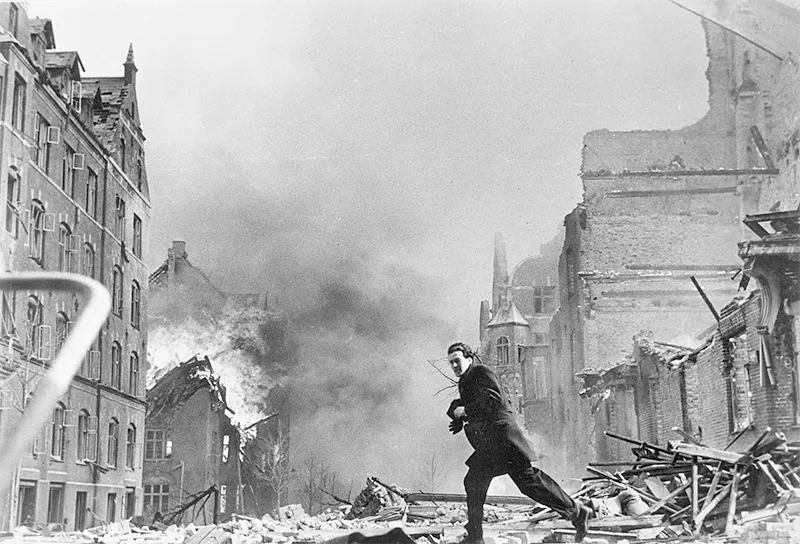
More than 750 resistance fighters lost their lives in the struggle against occupation and around 3,500 Danish volunteers died fighting for the German military on the Eastern Front. Women and children bore the brunt of these challenges, managing households under strained resources and living in a state of perpetual uncertainty. Despite these adversities, the Danish populace demonstrated resilience, with many participating in or supporting resistance activities.
The German occupation significantly disrupted Denmark’s economy. The country faced challenges such as the rising cost of raw material imports, including coal and oil, and the loss of its primary trading partner, the United Kingdom. To adapt, Denmark redirected its trade towards Germany, primarily exporting agricultural products to meet German demands.
The blockade against Germany further exacerbated economic difficulties, causing price shocks and shortages due to Denmark’s lack of natural resources. Despite these challenges, Denmark fared relatively well compared to other occupied countries during the war. Following liberation on 5th May 1945, Denmark faced the daunting task of rebuilding its economy and addressing wartime damages.
German Invasion
6,600+
750+
Resistance Fighters Killed
5 May 1945
Liberation
The immediate post-war period was marked by economic challenges, including unemployment, the need for investment, and a deficit in the balance of trade. To address these issues, Denmark participated in the European Recovery Program, which is commonly known as the Marshall Plan, from 1948 to 1951. This initiative provided financial aid, facilitating economic stabilisation and growth.
The Danish economy became increasingly integrated into the international economy, with foreign trade rising from around 40% of GDP in 1948 to approximately 60% in 1970. This period also saw significant political reforms, notably the 1953 constitutional revision, which introduced female succession to the throne and restructured the national legislature into a single chamber, the Folketing.
The collective efforts to protect Jewish citizens, the widespread participation in the resistance movement, and the challenges of occupation have fostered a strong national identity centered on resilience, solidarity, and a commitment to democratic values. These historical events continue to influence Denmark’s societal norms and political discourse, underscoring the importance of human rights and collective responsibility in contemporary Danish society.
(Never Again – for Humanity)