
WORLD WAR II
Egypt
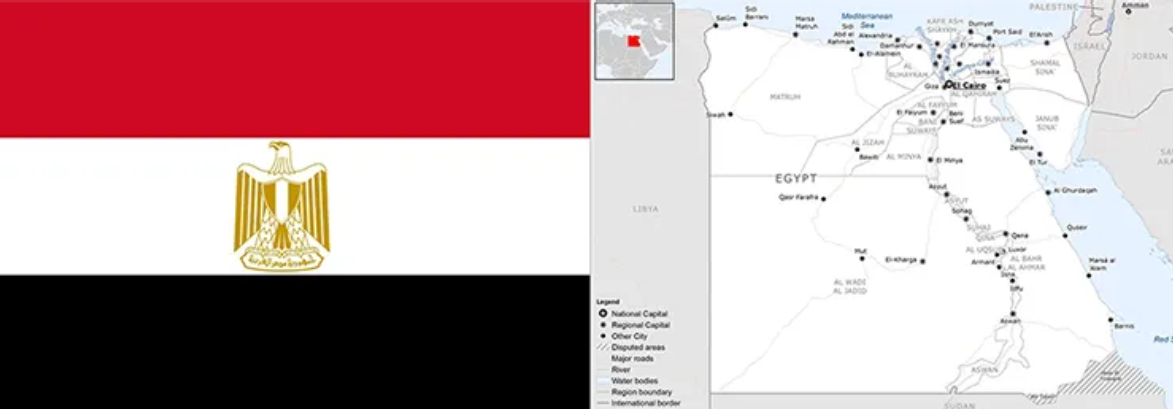
Egypt’s involvement in World War II was pivotal, primarily due to its strategic location and the presence of the Suez Canal, a crucial maritime route. At the war’s outset, Egypt was officially neutral. However, the 1936 Anglo-Egyptian Treaty permitted British forces to station troops within the country to safeguard the Suez Canal and maintain regional security.
In September 1940, Italian forces launched an invasion from their colony in Libya, advancing into Egyptian territory. The British military, with support from Egyptian forces, mounted a counteroffensive, successfully repelling the Italians and pushing them back into Libya.
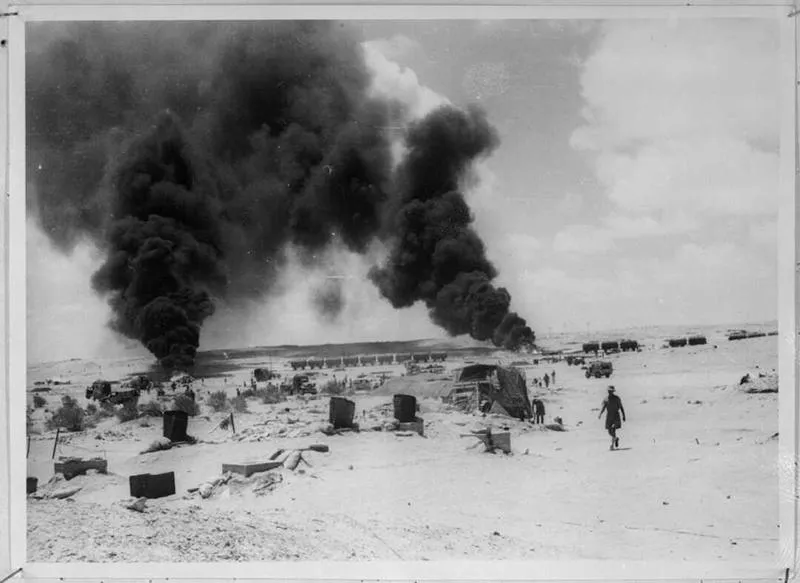

This series of engagements marked the beginning of the North African Campaign, characterised by a protracted struggle between Allied and Axis powers across the desert regions.
The Egyptian military played a supportive role during the conflict. Egyptian soldiers were among the first to face the Italian invasion in September 1940. They provided anti-aircraft support to defend against Axis air raids targeting the Suez Canal and were instrumental in removing naval mines dropped by enemy aircraft. The Egyptian navy assisted in transporting troops, ammunition, and supplies, as well as evacuating the wounded and prisoners of war.The culmination of the North African Campaign was the Second Battle of El Alamein, fought between 23rd October and 4th November 1942. This decisive battle saw the Allied forces, under the British Eighth Army, halt the advance of Axis troops into Egypt, marking a turning point in the campaign. The victory at El Alamein bolstered Allied morale and secured Egypt from further Axis incursions.
War Reaches Egypt
1125
1942
El Alamein Victory
65K+ Tons
Food Supplied
Throughout the war, the Egyptian army suffered 1,125 fatalities and 1,308 injuries. The presence of foreign troops led to overcrowding in urban areas, straining resources and infrastructure. Air raids, particularly those targeting the Suez Canal, caused civilian casualties and property damage. The war effort also led to economic challenges, including inflation and food shortages, which disproportionately affected the civilian population. Additionally, Egypt supplied over 65,000 tons of wheat and maize, 68,003 tons of sugar, and 107,679 tons of rice to Allied forces. These contributions strained the national economy, leading to financial crises exacerbated by unpaid debts from the British government.
In the post-war period, Egypt experienced significant political and social changes. The war had intensified nationalist sentiments, leading to increased demands for independence from British influence. Economic hardships and the presence of foreign troops had fueled public discontent. These factors culminated in the Egyptian Revolution of 1952, which resulted in the establishment of a republic and the eventual withdrawal of British forces from the country.
Egypt’s role in World War II was marked by strategic military contributions, significant economic sacrifices, and profound impacts on its civilian population.
(Never Again – for Humanity)