WORLD WAR II
Mongolia
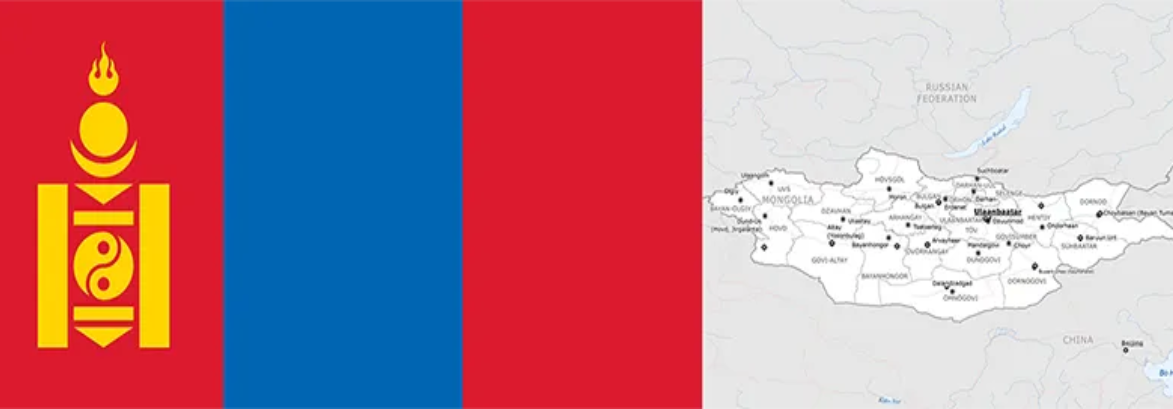
Mongolia’s involvement in World War II played a crucial role in the regional dynamics of East Asia. In the years leading up to World War II, Mongolia, officially known as the Mongolian People’s Republic, established a mutual assistance pact with the Soviet Union on 12th March 1936. This treaty solidified a defensive military alliance aimed at countering Japanese expansion in East Asia. The collaboration was tested during the Battles of Khalkhin Gol between May and September 1939, where combined Soviet-Mongolian forces successfully repelled Japanese incursions along Mongolia’s eastern borders. Throughout the war, Mongolia provided substantial support to the Soviet Union, supplying livestock, raw materials, financial aid, food, and military clothing.
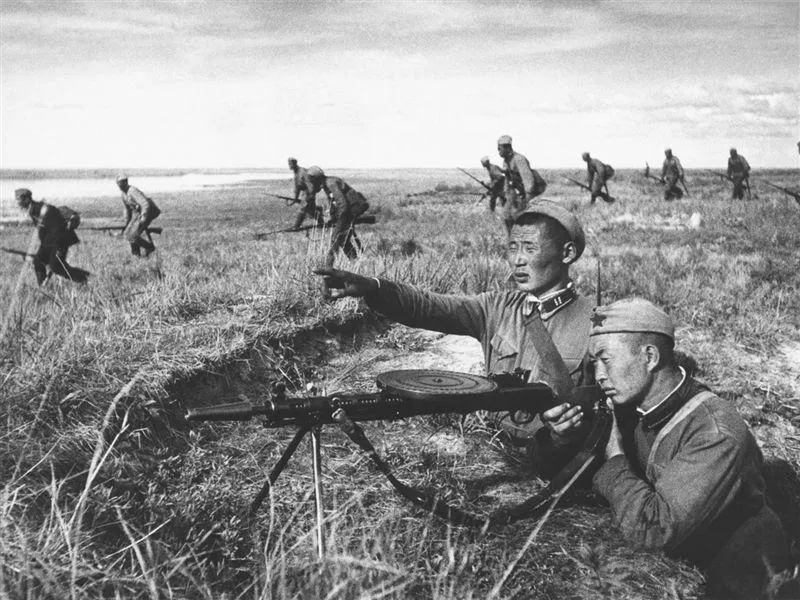
The nation maintained a significant military presence, with approximately 10% of its population under arms. Mongolia also financed military units such as the “Revolutionary Mongolia” Tank Brigade and the “Mongolian Arat” Squadron, and supplied around half a million horses to the Soviet military. Additionally, over 300 Mongolian volunteers fought on the Eastern Front. On 10th August 1945, Mongolia formally declared war against Japan, aligning itself with Soviet operations in the region. Mongolian troops participated in the Soviet invasion of Manchuria, contributing to the defeat of Japanese forces. Following the war, Mongolia’s international status evolved, with the Soviet Union and China recognising its independence, leading to its eventual membership in the United Nations in 1961.
The war period brought significant changes to Mongolian society, particularly affecting women and children. With a considerable portion of the male population mobilised for military service, women assumed greater responsibilities in both domestic and economic spheres. Children often took on additional duties, accelerating their transition into adult responsibilities. These societal adjustments during the war years laid the groundwork for evolving gender dynamics in Mongolia’s subsequent development.
Soviet Pact
May–Sept 1939
Khalkhin Gol Battles
10%
Population in Military
500,000 +
Horses Supplied
The nation’s direct military engagements resulted in relatively low combat losses, but the broader economic and social impacts were significant. The extensive contribution of resources strained Mongolia’s economy, yet it also fostered industrial development and strengthened infrastructure.
The post-war era saw Mongolia solidifying its status as a socialist state, heavily influenced by Soviet policies. Today, the legacy of World War II is reflected in Mongolia’s continued emphasis on national defense and its participation in international peacekeeping efforts, underscoring a commitment to global stability rooted in its historical experiences.
Mongolia’s involvement in World War II was marked by significant military collaboration, substantial economic contributions, and profound social transformations. These developments have had an enduring impact on the nation’s identity and its role in the international community.
(Never Again – for Humanity)