WORLD WAR II
Belgium

On 10th May 1940, Germany launched an invasion of Belgium as part of its broader offensive in Western Europe. Despite being neutral, Belgium was swiftly drawn into the conflict. The Belgian Army, comprising approximately 600,000 to 650,000 personnel, faced the formidable German forces. After 18 days of intense combat, a surrender on 28th May 1940 led to the German occupation of Belgium. During this campaign, Belgian military casualties included around 6,000 killed and 15,850 wounded.
The German invasion resulted in a massive displacement of civilians. Approximately 2 million Belgians fled their homes to escape the advancing German troops, creating significant refugee movements.
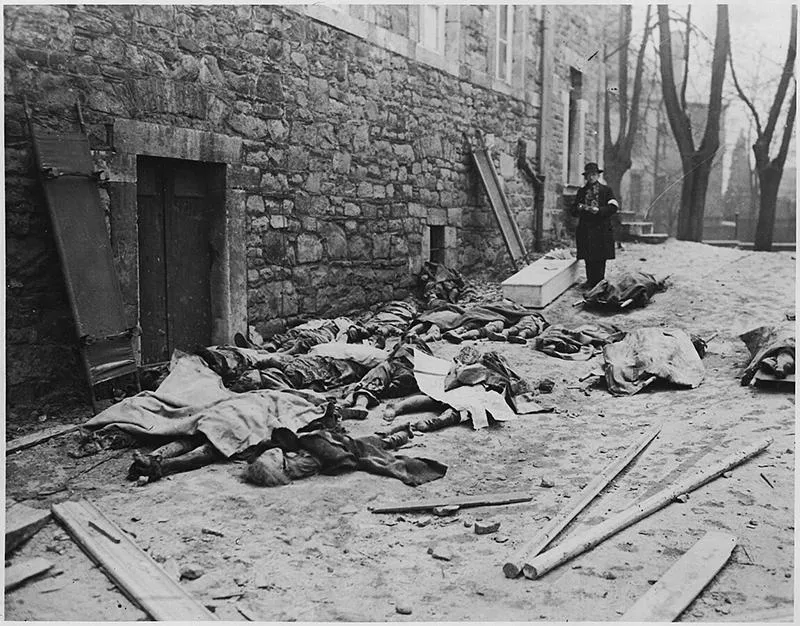

Throughout the occupation, the civilian population endured severe hardships, including food shortages, forced labor, and repression. The Holocaust had a devastating effect on the Belgian Jewish community – around 25,000 Jews were deported to concentration camps, with the vast majority perishing. The German administration imposed heavy financial burdens on Belgium, including occupation costs that consumed nearly two-thirds of the country’s national income and came to a total of approximately 5.7 billion Reichsmarks. Industries were coerced into supporting the German war effort, and significant resources were extracted from the country.
Despite these challenges, Belgium experienced a remarkable economic resurgence in the early post-war years. Monetary reforms and government policies facilitated rapid recovery, with industrial output returning to pre-war levels by the end of 1947.
Liberation began in September 1944 as Allied forces advanced into Belgium. The post-war period was marked by political and social upheaval. The immediate post-war years also saw efforts to address wartime collaboration and rebuild the nation’s political institutions.
German Invasion of Belgium
6,000+
Military Deaths
2 Million
25,000
Economically, Belgium’s rapid recovery, often termed the “Belgian economic miracle,” was characterised by rising employment, increased wages, and low inflation, leading to improved living standards. However, this period also highlighted structural challenges in traditional industries, foreshadowing economic shifts in subsequent decades.
World War II had a profound and multifaceted impact on Belgium, affecting its military, civilian population, economy, and political landscape. The war’s legacy continues to influence Belgian society, underscoring the resilience and adaptability of the nation in the face of adversity.
(Never Again – for Humanity)