WORLD WAR II
Bulgaria
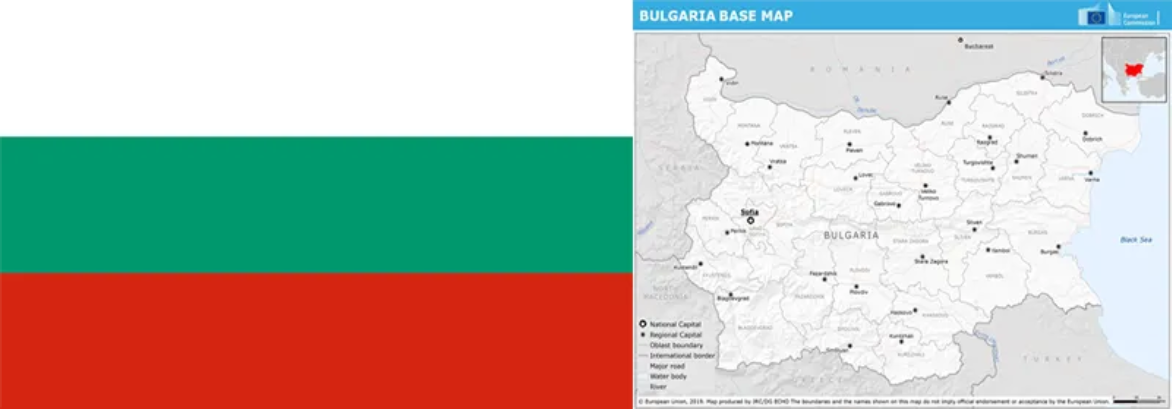
Initially adopting a stance of neutrality, Bulgaria shifted its position on 1st March 1941, by signing the Tripartite Pact, aligning with the Axis powers. This alliance facilitated the occupation of territories in Greece and Yugoslavia, regions with historical and ethnic significance to Bulgaria.
Despite pressure from Nazi Germany, Bulgaria refrained from declaring war on the Soviet Union, mindful of the pro-Russian sentiments among its populace. However, on 13th December 1941, Bulgaria declared war on the United States and the United Kingdom, a move that led to significant consequences. The war brought considerable hardship to Bulgarian civilians.
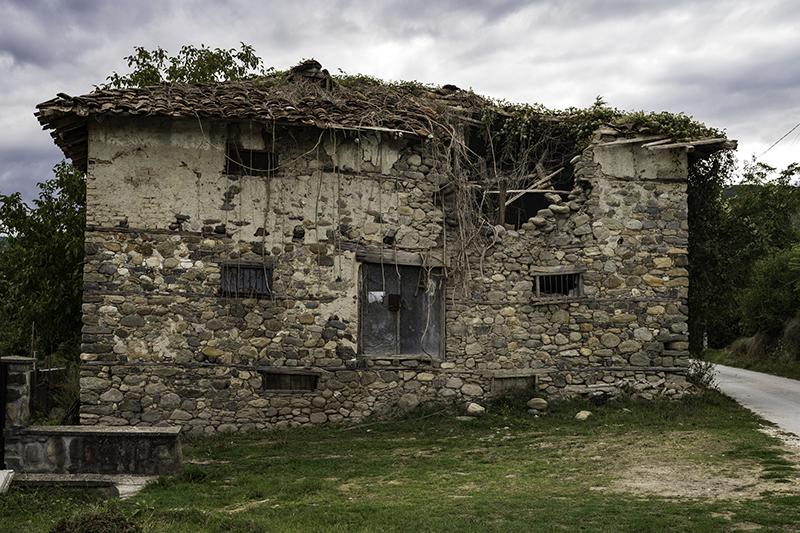
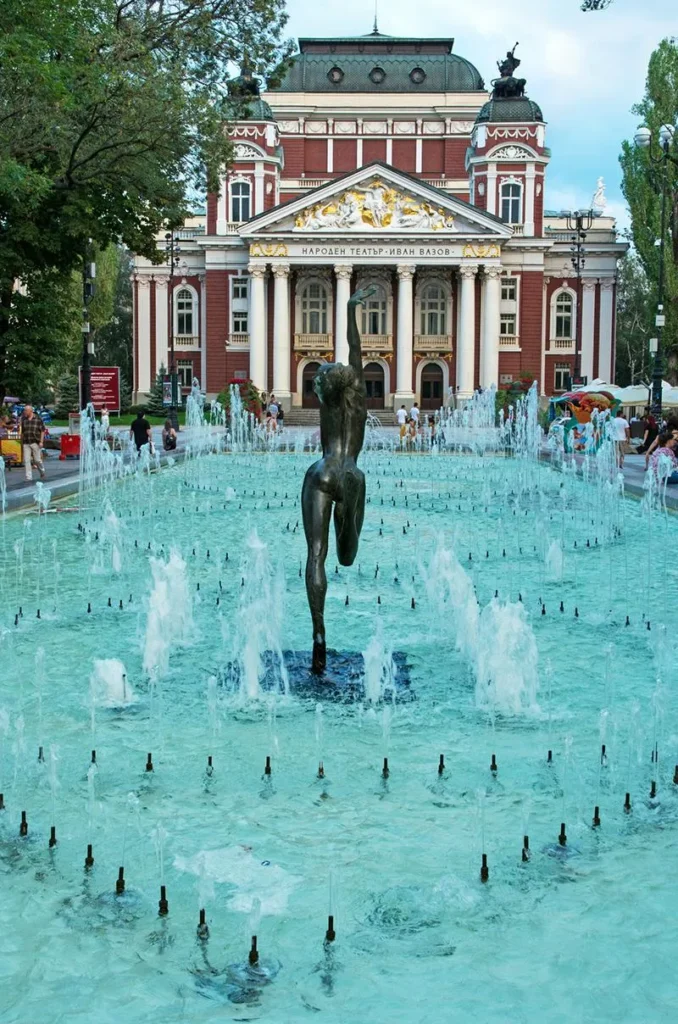
Allied bombing campaigns targeted key cities, with Sofia experiencing severe attacks between November 1943 and April 1944. These raids resulted in approximately 1,743 civilian injuries and the destruction of over 12,000 buildings, leaving many families homeless and causing widespread disruption to daily life.
In territories occupied by Bulgaria, such as parts of Greece and Yugoslavia, the government participated in the deportation of over 11,000 Jews to German-held territories. By the end of March 1943, nearly all of these individuals had perished in the Treblinka extermination camp. This action underscores the severe impact of wartime policies on minority communities, including women and children, who were forcibly removed from their homes and subjected to inhumane conditions. Bulgaria’s military involvement intensified after switching allegiances in September 1944. The First Bulgarian Army, made up of approximately 130,000 troops, participated in operations against German forces in Yugoslavia, Hungary, and Austria. The Bulgarian Army sustained significant losses during World War II, with 8,337 soldiers killed, 9,155 missing, and 22,958 wounded, totaling 40,450 casualties. Allied bombings destroyed critical infrastructure, including schools, hospitals, and cultural institutions, necessitating extensive post-war reconstruction.
Algeria’s involvement in World War II played a complex and multifaceted role, deeply entwined with both the military and civilian populations. Initially, during the early stages of the war, Algeria, a French colony at the time, became a vital strategic location for the Allies.
It was from Algeria that the Allied forces launched Operation Torch in November 1942, an invasion of Vichy French-controlled North Africa aimed at securing the region for the Allies and cutting off Axis powers’ access to oil resources.

Joined Axis Powers
11,000+
40,450
12,000+
This marked a significant turning point in the North African campaign, and Algeria, with its coastal ports and rugged terrain, became a substantial military base for the Allies, particularly the United States and the United Kingdom.
The destruction of over 12,000 buildings in Sofia alone exemplifies the extensive material losses incurred. During its alliance with Nazi Germany, Bulgaria became heavily economically dependent on the Reich, with 60% of its trade in 1939 conducted with Germany. This dependency led to economic exploitation, as Germany leveraged its position to secure favorable trade terms and access to Bulgarian resources.
Following a coup on 9th September 1944, Bulgaria’s government shifted to align with the Allies, leading to the declaration of war against Germany. The subsequent armistice and peace treaties resulted in territorial adjustments and the imposition of reparations, further straining the nation’s economy. The war’s devastation necessitated extensive rebuilding efforts, while the political realignments and economic policies of the post-war period have influenced contemporary societal structures and economic conditions. The collective memory of wartime experiences continues to shape Bulgaria’s national identity and inform its interactions on the global stage.
(Never Again – For Humanity)
World War II
Bulgaria
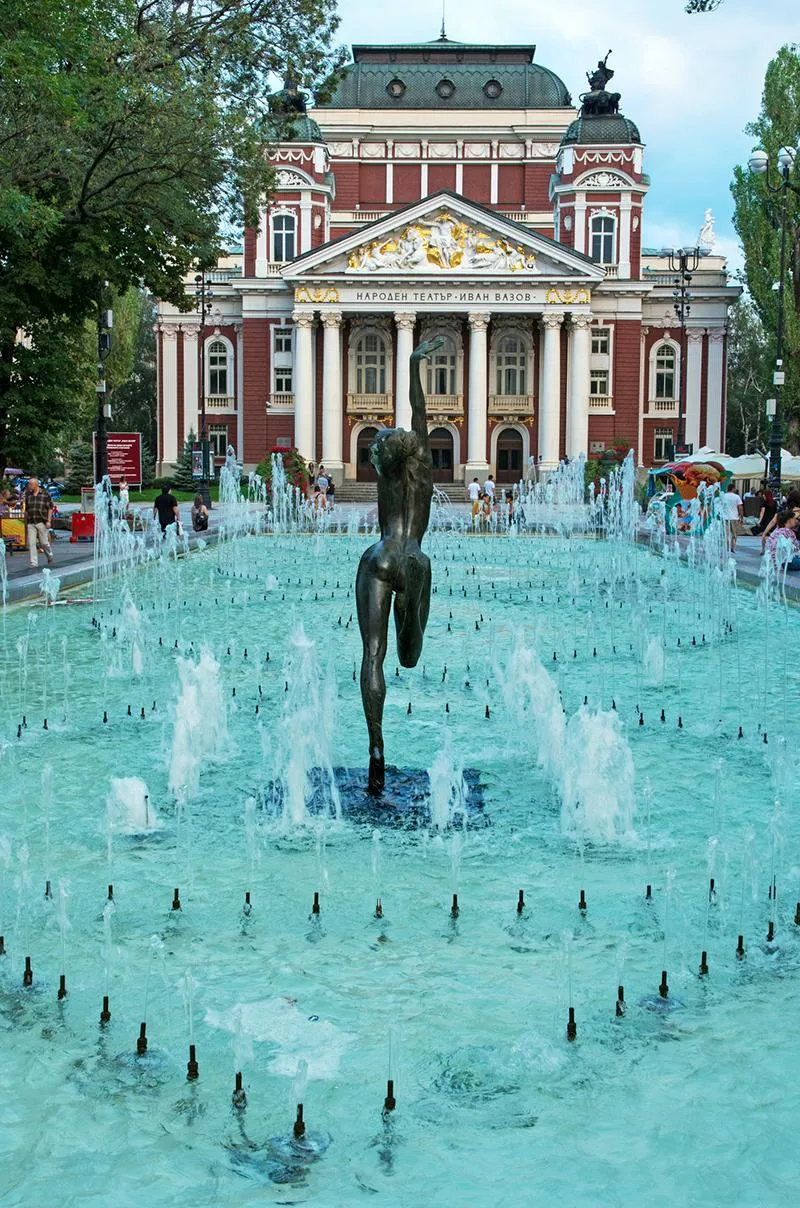
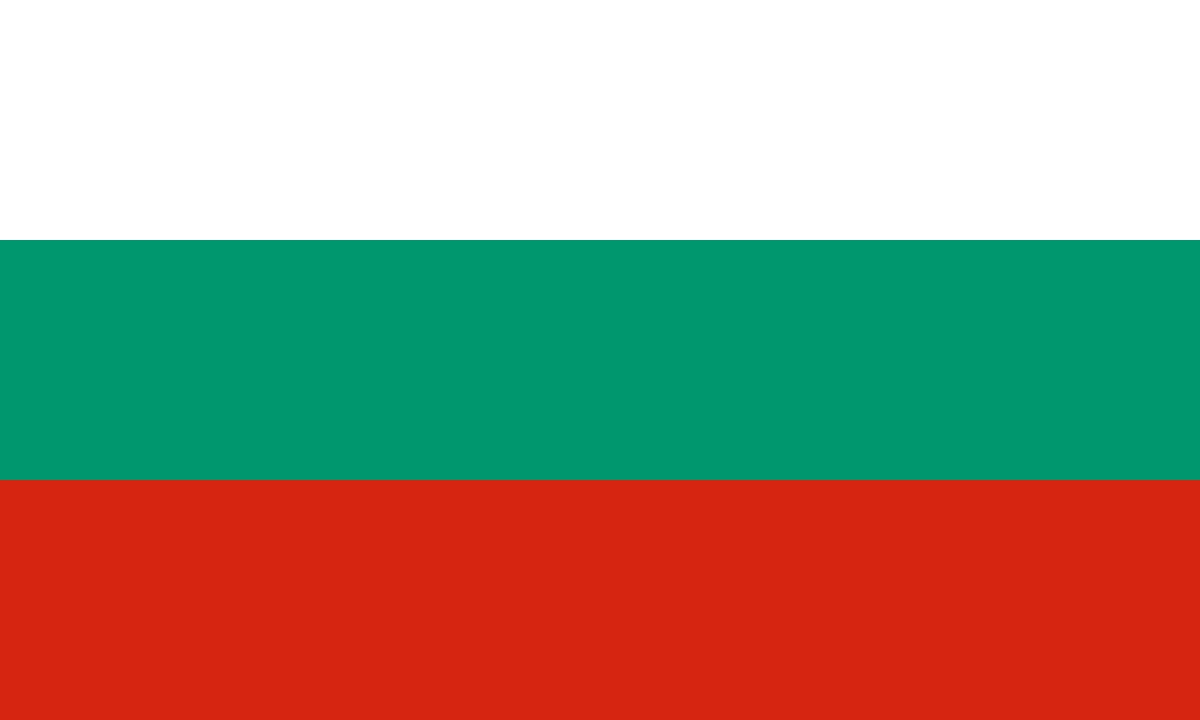
Initially adopting a stance of neutrality, Bulgaria shifted its position on 1st March 1941, by signing the Tripartite Pact, aligning with the Axis powers. This alliance facilitated the occupation of territories in Greece and Yugoslavia, regions with historical and ethnic significance to Bulgaria.
Despite pressure from Nazi Germany, Bulgaria refrained from declaring war on the Soviet Union, mindful of the pro-Russian sentiments among its populace. However, on 13th December 1941, Bulgaria declared war on the United States and the United Kingdom, a move that led to significant consequences. The war brought considerable hardship to Bulgarian civilians. Allied bombing campaigns targeted key cities, with Sofia experiencing severe attacks between November 1943 and April 1944. These raids resulted in approximately 1,743 civilian injuries and the destruction of over 12,000 buildings, leaving many families homeless and causing widespread disruption to daily life.
In territories occupied by Bulgaria, such as parts of Greece and Yugoslavia, the government participated in the deportation of over 11,000 Jews to German-held territories. By the end of March 1943, nearly all of these individuals had perished in the Treblinka extermination camp. This action underscores the severe impact of wartime policies on minority communities, including women and children, who were forcibly removed from their homes and subjected to inhumane conditions.
Bulgaria’s military involvement intensified after switching allegiances in September 1944. The First Bulgarian Army, made up of approximately 130,000 troops, participated in operations against German forces in Yugoslavia, Hungary, and Austria. The Bulgarian Army sustained significant losses during World War II, with 8,337 soldiers killed, 9,155 missing, and 22,958 wounded, totaling 40,450 casualties.
Allied bombings destroyed critical infrastructure, including schools, hospitals, and cultural institutions, necessitating extensive post-war reconstruction. The destruction of over 12,000 buildings in Sofia alone exemplifies the extensive material losses incurred. During its alliance with Nazi Germany, Bulgaria became heavily economically dependent on the Reich, with 60% of its trade in 1939 conducted with Germany. This dependency led to economic exploitation, as Germany leveraged its position to secure favorable trade terms and access to Bulgarian resources.
Following a coup on 9th September 1944, Bulgaria’s government shifted to align with the Allies, leading to the declaration of war against Germany. The subsequent armistice and peace treaties resulted in territorial adjustments and the imposition of reparations, further straining the nation’s economy.
The war’s devastation necessitated extensive rebuilding efforts, while the political realignments and economic policies of the post-war period have influenced contemporary societal structures and economic conditions. The collective memory of wartime experiences continues to shape Bulgaria’s national identity and inform its interactions on the global stage.
(Never Again – For Humanity)