WORLD WAR II
Hong Kong
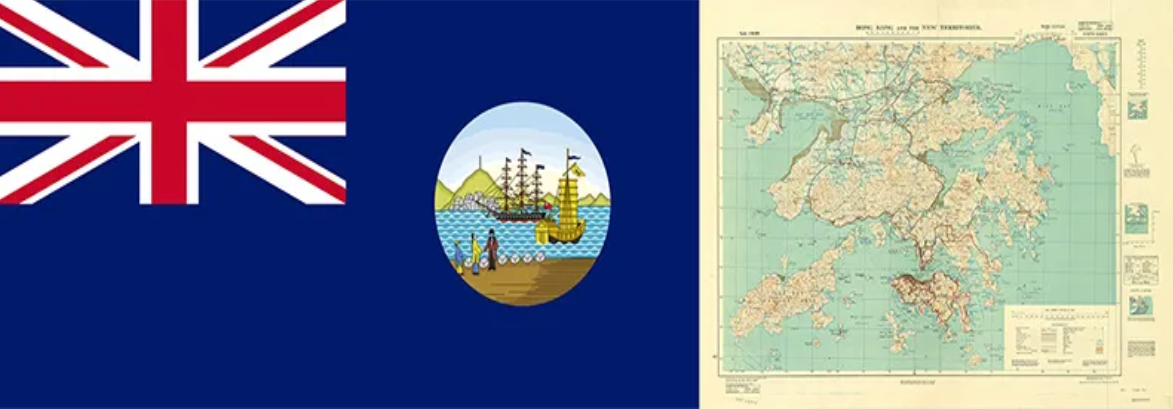
Hong Kong’s role in World War II was marked by its invasion and occupation by Japanese forces, which began on December 8, 1941, shortly after the attack on Pearl Harbor. The British colony, which was not well prepared for an attack of such scale, endured a brutal military campaign, culminating in its surrender on Christmas Day, 1941. The Japanese occupation lasted for almost four years, during which Hong Kong’s civilian population suffered greatly, with the city becoming a site of intense brutality. The civilian casualties were significant, with estimates suggesting that around 10,000 Hong Kong civilians died as a direct result of the war, including from bombings, massacres, starvation, and disease.
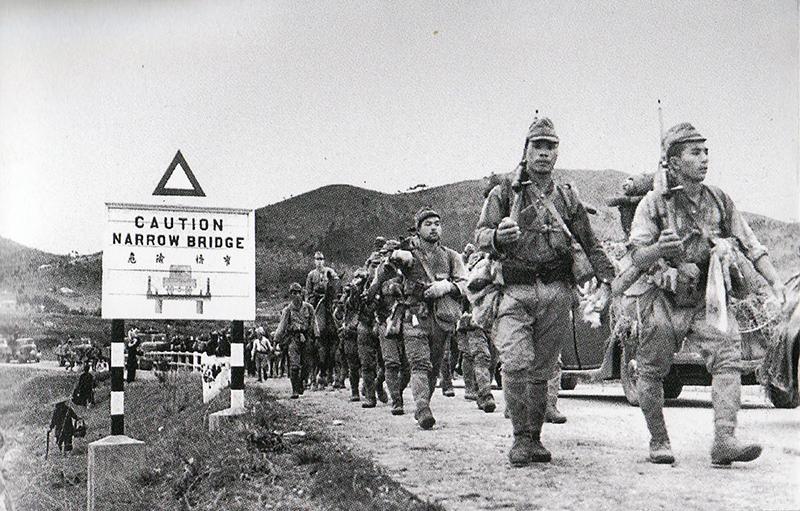
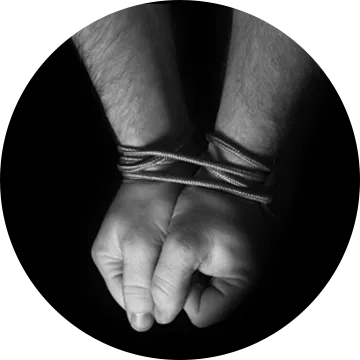
Women and children faced horrific conditions as the Japanese forces subjected them to forced labor, sexual violence, and exploitation. Many women were forced into sexual slavery, known as “comfort women,” and children were subjected to the harshest conditions, with widespread malnutrition and disease, leading to a high mortality rate among the young.
In addition to the civilian toll, over 3,000 soldiers, both British and local Chinese forces, were killed during the defense of the colony. The economic impact of the occupation was severe, as the Japanese imposed harsh economic policies, extracting resources, and shutting down many of the city’s industries. Hong Kong, which had been a thriving international trade hub before the war, saw its economy collapse under the occupation, with widespread unemployment and a drastic decline in living standards. Infrastructure was severely damaged, and much of the city’s commercial activity ground to a halt. The suffering continued throughout the occupation, as food became scarce, and many residents were forced to live in overcrowded and unsanitary conditions. The psychological toll on the population was immense, with many families torn apart by violence, death, and displacement.
Invasion Begins
25 Dec 1941
1945
Liberation from Japan
Severe
Economic Collapse
After Japan’s defeat in 1945, Hong Kong was restored to British control, but the damage to the city and its people was profound. The post-war recovery took time, as Hong Kong struggled to rebuild its economy and infrastructure. The legacy of the occupation remains deeply embedded in Hong Kong’s collective memory, with many survivors and their families continuing to cope with the trauma of the war.
The war also left a lasting impact on Hong Kong’s social and political development, as it became a focal point for refugees fleeing China’s civil war and the rise of communist rule. Hong Kong’s role as a gateway between China and the rest of the world was solidified in the post-war years, but the scars of the war and the effects of Japanese occupation continue to resonate in the city’s history and culture.
The war had a profound effect on Hong Kong’s identity, shaping its future in ways that still affect the society today, particularly in terms of its international status, the experiences of war survivors, and the ongoing impact on generations of people who lived through the suffering and hardship during the occupation.
(Never Again – for Humanity)