WORLD WAR II
Korea
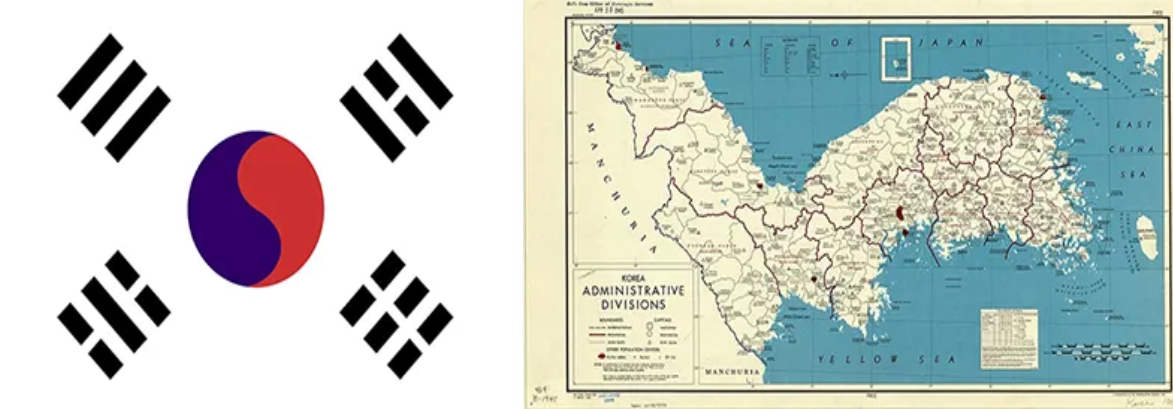
Korea’s involvement in World War II is deeply entwined with the broader impact of Japanese occupation, which lasted from 1910 until the end of the war in 1945. During this period, Korea was subjected to intense exploitation, as Japan extracted resources, enforced labor, and imposed strict cultural assimilation policies. By the time World War II began, Korea had already suffered decades of Japanese colonial rule.
When Japan entered the war alongside the Axis powers in 1941, Korea became a significant resource base for the Japanese military, providing soldiers, labor, and raw materials to fuel the war effort. In total, over 200,000 Koreans were forced into labor, and many were sent to work in harsh conditions in Japan’s industrial sectors and on battlefields across Asia.
The most tragic chapter of this exploitation involved the thousands of Korean women who were forcibly made into “comfort women,” a euphemism for sexual slavery for Japanese soldiers. The exact number of women affected remains unclear, but estimates range from 50,000 to 200,000.
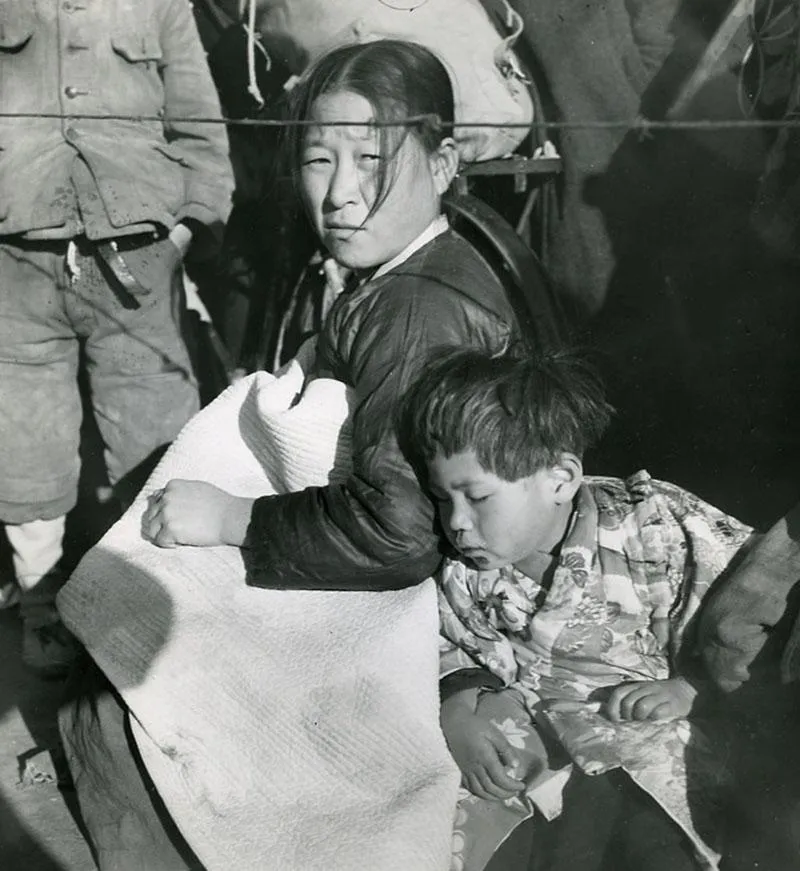
In terms of casualties, the impact on the Korean population during World War II was severe, with estimates suggesting that around 500,000 Koreans died because of the war, either from direct combat, forced labor, or starvation caused by the war.
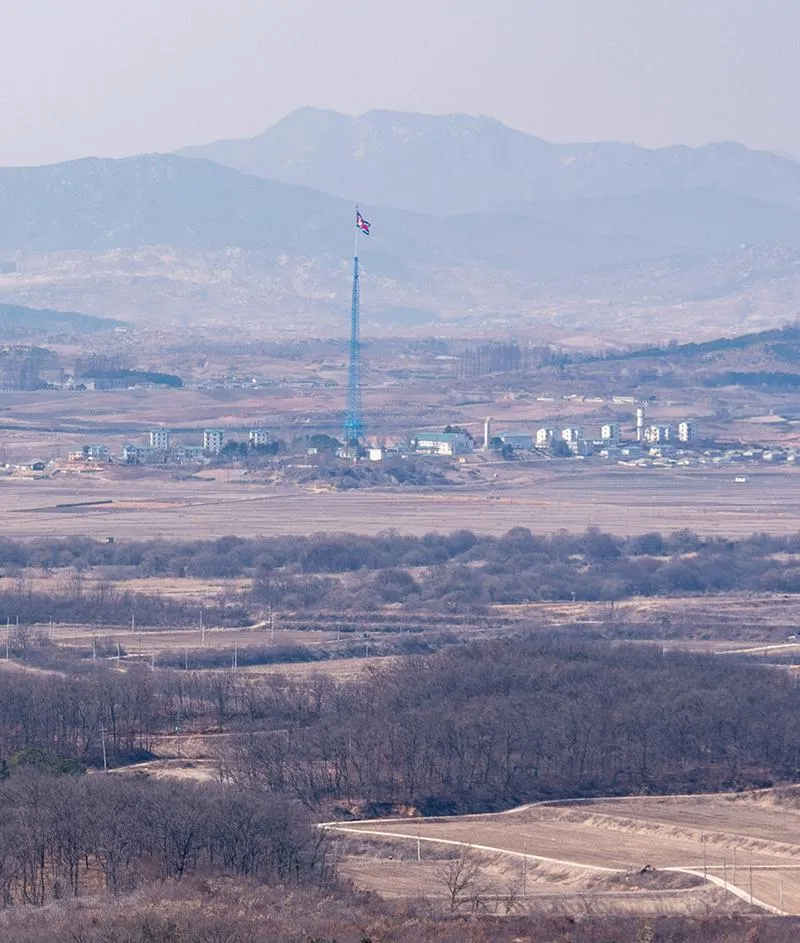
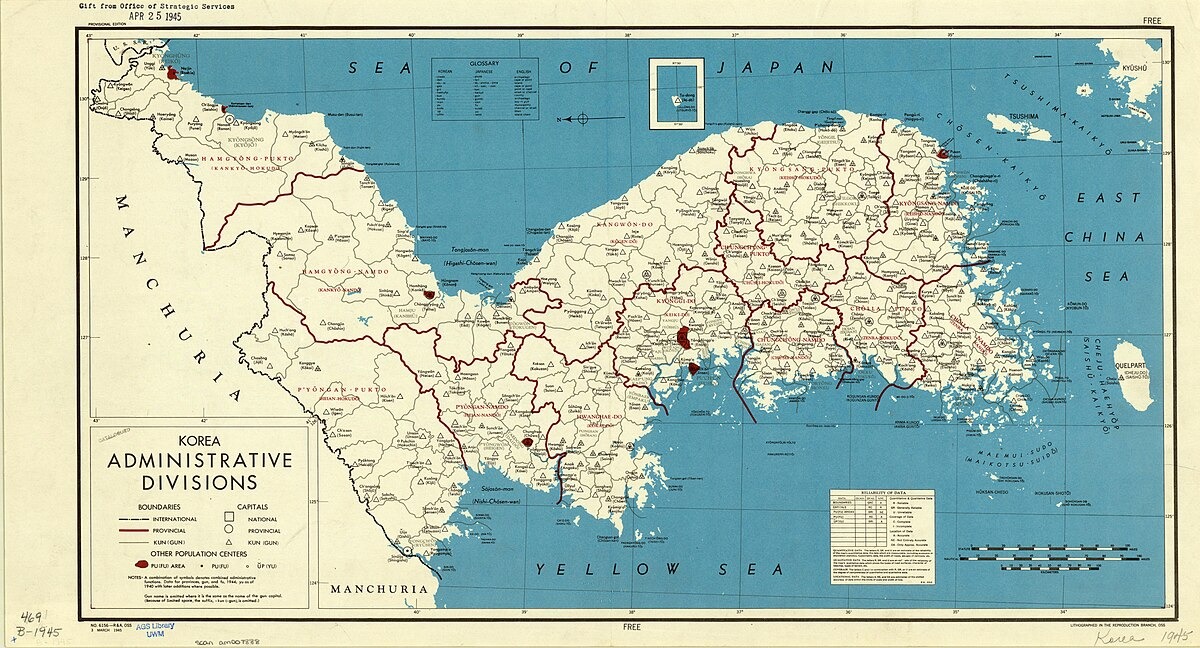
Civilians in Korea were subjected to bombings, massacres, and general instability, while the economy suffered a severe collapse. After Japan’s surrender in 1945, Korea was divided along the 38th parallel into Soviet-occupied North Korea and American-occupied South Korea, setting the stage for the Korean War.
The end of World War II did not bring peace to the Korean Peninsula. Instead, it marked the beginning of decades of political and military turmoil. The Korean War, which began in 1950, would further devastate the region, causing millions of additional casualties and reinforcing the division of the Korean Peninsula.
Over 3 million people, including soldiers and civilians, were killed during the Korean War, and the economy of the entire peninsula was left in ruins.
In the decades that followed, Korea’s post-war recovery was slow, and the scars of World War II and the subsequent Korean War shaped much of the peninsula’s political landscape. The economic impact was long lasting, with both North and South Korea facing immense challenges in rebuilding.
Japanese Occupation Period
200,000+
Forced Laborers
50K–200K
“Comfort Women” Victims
5,00,000 +
Deaths During WWII
South Korea endured widespread poverty and social upheaval, while the legacy of Japanese occupation, with its deep psychological scars and unresolved issues such as the treatment of comfort women, continued to haunt the Korean people.
Today, the effects of World War II still resonate in Korean society, particularly in the form of strained relations with Japan, the ongoing division between North and South Korea, and the memories of those who suffered under Japanese occupation. Many families continue to bear the emotional and financial costs of the war, with the elderly population still seeking acknowledgment and reparations for the injustices they endured.
In the decades since the war ended, Korea has undergone a dramatic transformation, particularly in the South, where rapid industrialisation and democratisation have reshaped the country into one of the world’s leading economies. However, the legacy of war, division, and the ongoing search for justice for wartime atrocities continue to influence Korean society and its relations with neighboring countries.
(Never Again – for Humanity)