WORLD WAR II
Luxembourg
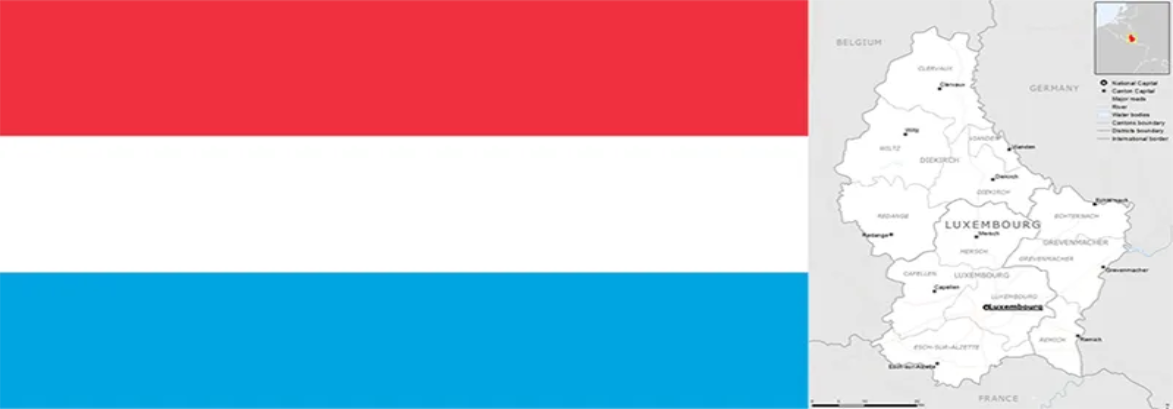
Luxembourg’s involvement in World War II began with the German invasion on 10th May 1940. Despite its official neutrality, Luxembourg’s strategic location made it a target for Nazi expansion. The German occupation aimed to integrate Luxembourg into the Third Reich, leading to significant cultural and political suppression.
The occupation had a profound impact on Luxembourg’s civilian population, including women and children. Approximately 5,700 Luxembourgish citizens lost their lives during the war, accounting for about 2% of the 1940 population—the highest such loss in Western Europe. Additionally, 18,658 buildings were destroyed or heavily damaged, affecting 39% of the population. The Jewish community in Luxembourg faced severe persecution. Before the invasion, around 3,900 Jews resided in the country; by the end of the war, approximately 1,600 had fled, and of the 683 deported, only 43 survived.
The German occupation also led to the conscription of Luxembourgers into the German military, with many forced to serve against their will. The resistance movement within Luxembourg, though limited, played a role in opposing Nazi policies and aiding the Allies. Luxembourg was liberated by Allied forces in September 1944, with the capital city freed on 10th September.
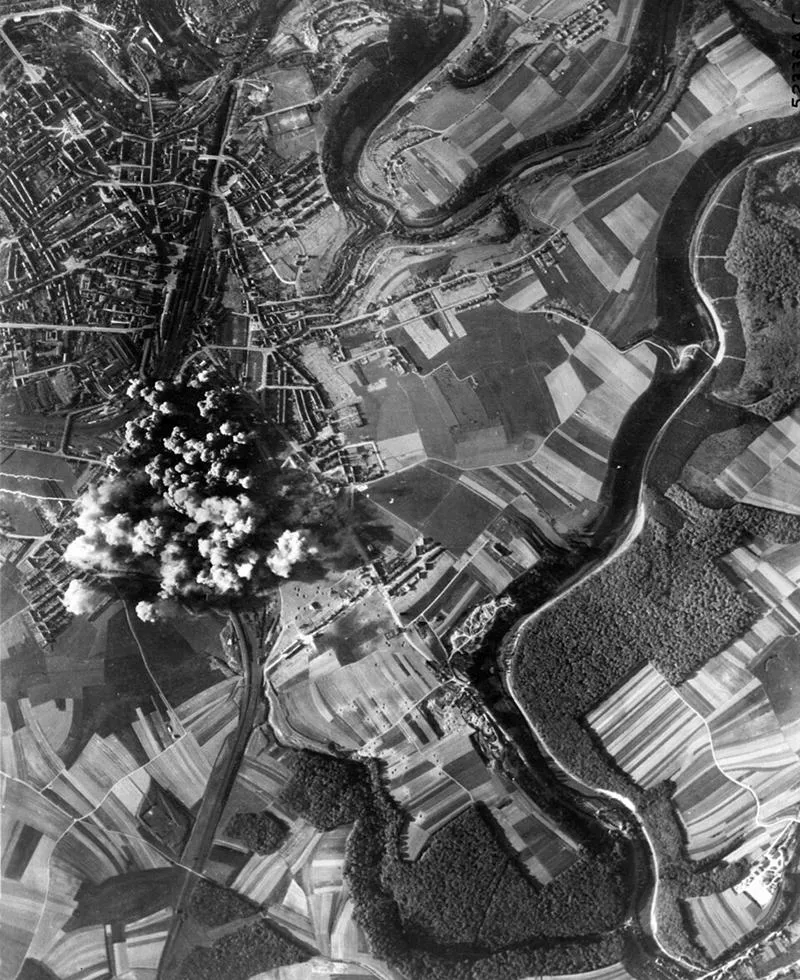
However, the subsequent Battle of the Bulge, which began on 16th December 1944, brought further devastation to the region. The battle lasted until 28th January 1945, resulting in heavy casualties and destruction.
The economic impact of the war on Luxembourg was substantial. The widespread destruction of infrastructure and housing required extensive post-war reconstruction efforts. The loss of a significant portion of the population, particularly among men, led to demographic imbalances that affected societal structures. In the decades following the war, Luxembourg transformed its economy, becoming a founding member of key international organisations, including the United Nations and the European Economic Community, which later evolved into the European Union.
This integration facilitated economic growth and stability, contributing to the nation’s prosperity in the latter half of the 20th century. Today, Luxembourg’s society reflects on the war’s legacy through commemorations and education, emphasizing the importance of peace and international cooperation.
German Invasion Begins
5,700
Lives Lost in War
18,658
Buildings Damaged/Destroyed
43
Jewish Deportees Survived
The experiences of World War II have profoundly influenced Luxembourg’s commitment to human rights and its active role in global diplomacy.
(Never Again – for Humanity)