
WORLD WAR II
Mexico
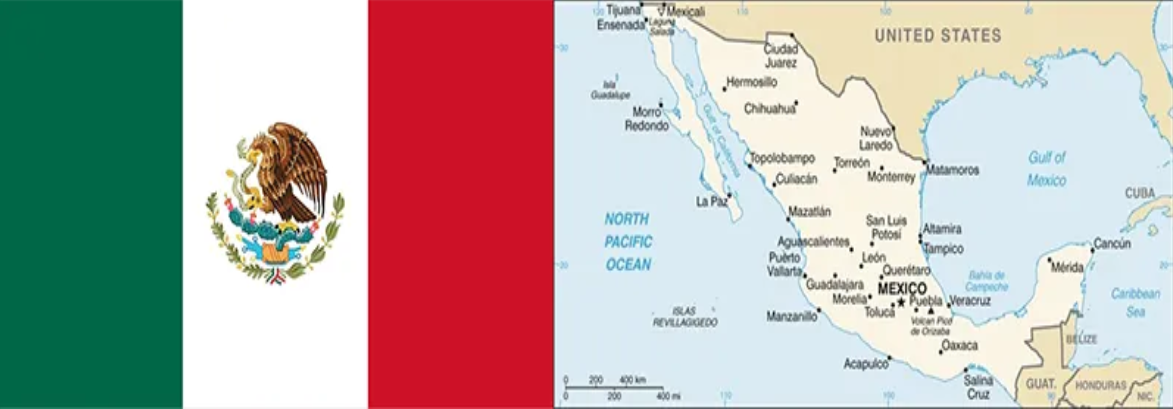
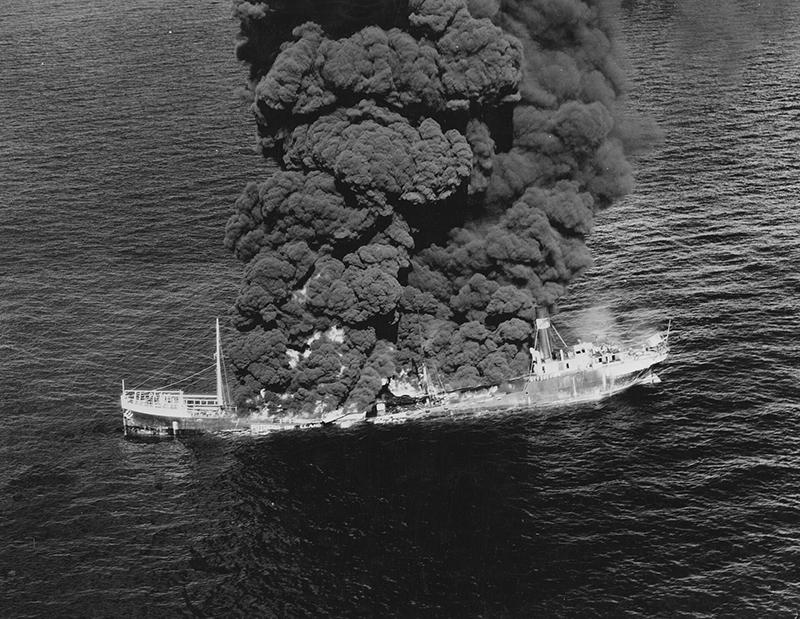
Mexico’s involvement in World War II, though often overshadowed by the contributions of larger Allied powers, played a significant role in the conflict and had lasting impacts on the nation’s socio-economic landscape. Initially maintaining a stance of neutrality, Mexico’s position shifted following aggressive actions by Axis powers. In May 1942, German submarines attacked Mexican oil tankers, prompting the nation to declare war on the Axis powers on May 22, 1942. This marked Mexico’s formal entry into World War II. Mexico’s most notable military involvement was through the 201st Fighter Squadron, known as the “Aztec Eagles.” This unit consisted of approximately 300 Mexican airmen who were integrated into the U.S. 5th Air Force and participated in the liberation of the Philippines in 1945.
Their efforts were instrumental in various combat missions against Japanese forces. In addition to the Aztec Eagles, around 15,000 Mexican nationals served in the U.S. military during the war. Many were motivated by the prospect of U.S. citizenship in return for their service. Of these, approximately 1,492 were killed, imprisoned, injured, or went missing in action. World War II acted as a catalyst for Mexico’s economic transformation. Between 1939 and 1945, the country’s gross domestic product grew by 10%.
This period saw accelerated industrialisation and urbanisation, leading to the establishment of institutions such as the Mexican Social Security Institute (IMSS). The economic benefits of the war also strengthened ties between Mexico and the United States, fostering closer bilateral relations. To address labor shortages in the U.S. agricultural sector, the two countries initiated the Bracero Program in 1942. This agreement allowed over 300,000 Mexican laborers to work temporarily in the United States, significantly impacting Mexico’s rural communities and altering traditional family dynamics. The war period brought profound changes to Mexican society, particularly concerning women and children.
War Declared
201st Squadron
15,000+
Served in U.S. Military
300,000 +
Bracero Workers
With a significant portion of the male population engaged in military service or labor abroad, women assumed greater responsibilities both at home and in the workforce. They took on roles traditionally held by men, leading to shifts in societal norms and contributing to the early stages of the women’s rights movement in Mexico. Children, on the other hand, faced the challenges of growing up during a time of global conflict. Many experienced the absence of fathers and older brothers, leading to increased responsibilities at a young age. The psychological impact of the war years influenced subsequent generations, shaping Mexico’s social fabric in the post-war era.
The conclusion of World War II ushered in a period of reflection and change for Mexico. The nation’s contributions to the Allied victory bolstered its international standing and fostered a sense of national pride. However, returning veterans, including Mexican Americans who had served, encountered persistent social inequalities. This dissonance between their wartime sacrifices and peacetime realities galvanised civil rights movements, leading to significant social reforms in subsequent decades. While Mexico’s direct military casualties were relatively limited compared to other nations, the war’s indirect effects on civilians were substantial.
The absence of a significant portion of the workforce led to economic adjustments, and families had to adapt to new social dynamics. The Bracero Program, while economically beneficial, also resulted in prolonged family separations, affecting the social structure of rural communities. The experiences of World War II have left an indelible mark on Mexico’s contemporary society.
The war accelerated industrialisation and urbanisation, laying the foundation for Mexico’s modern economy. The societal shifts during this period, particularly concerning gender roles and labor dynamics, have continued to influence Mexico’s social evolution. Moreover, the contributions and sacrifices made during the war are commemorated and have become an integral part of the nation’s historical narrative.
Mexico’s involvement in World War II, though not as extensive as that of major Allied powers, had significant and lasting impacts on its military, economic, and social structures. The period catalysed transformations that have shaped the nation’s trajectory in the ensuing decades.
(Never Again – for Humanity)