WORLD WAR II
Poland
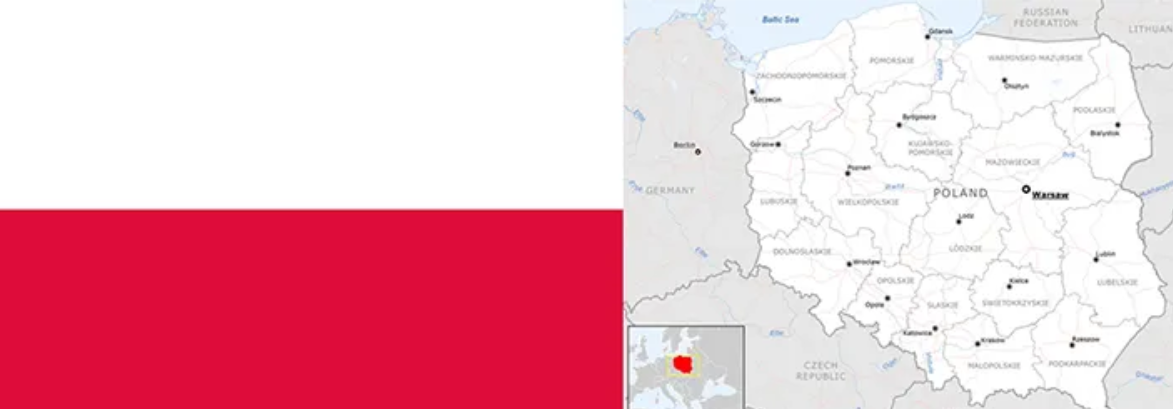
World War II has had a profound and devastating impact on Poland. The conflict commenced with the invasion of Poland by Nazi Germany, followed shortly by the Soviet Union’s invasion from the east on 17th September 1939. These aggressive actions led to the occupation and partitioning of Polish territory between the two invading powers, with Poland mobilising approximately 1 million soldiers in response to the invasions.
Despite their efforts, the combined strength of German and Soviet forces overwhelmed the Polish military, leading to the country’s occupation. Throughout the war, Poland suffered significant military losses, with estimates indicating that around 240,000 Polish soldiers and resistance fighters were killed.
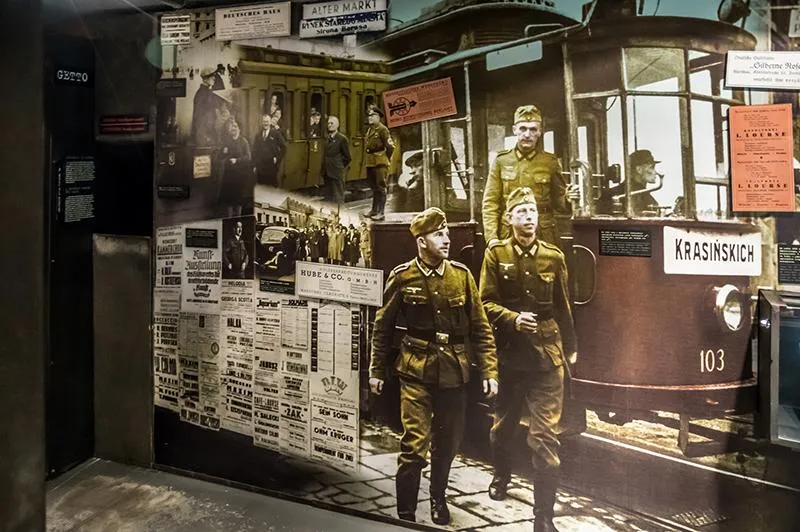
Approximately 6 million Polish citizens perished, accounting for about one-fifth of the pre-war population. This staggering loss included around 3 million Polish Jews who were systematically exterminated during the Holocaust. The remaining victims were comprised of ethnic Poles and other minority groups. Women and children were disproportionately affected, facing mass executions, forced labor, and displacement.
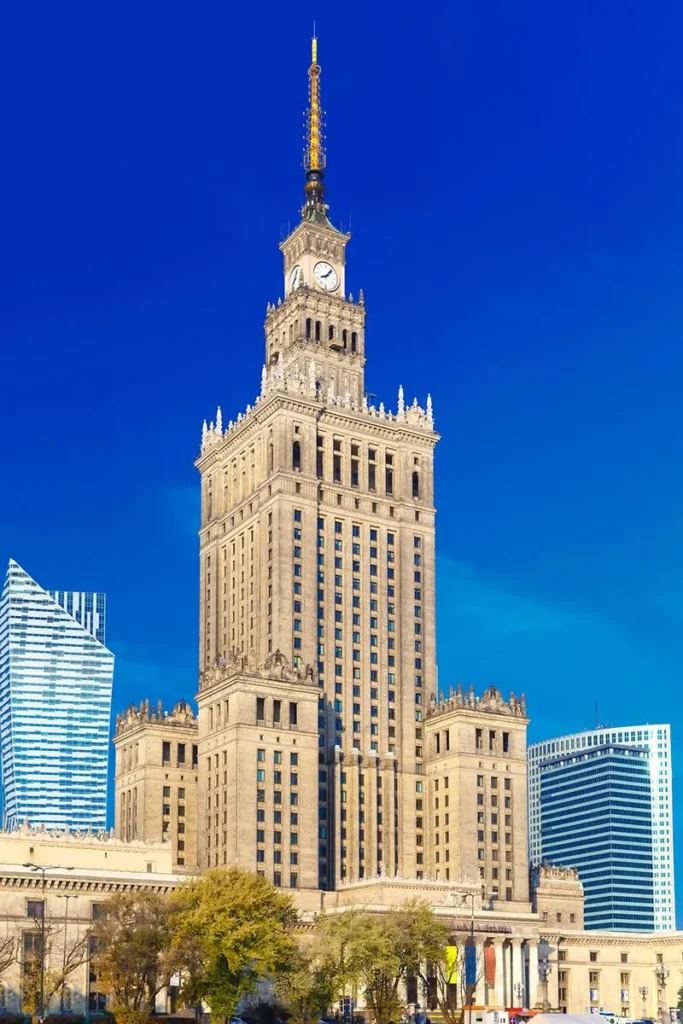
The Warsaw Uprising resulted in the deaths of approximately 200,000 civilians, with countless others subjected to brutal repression and deportations. An estimated 38% of the nation’s wealth was destroyed, with about 66% of industrial facilities either demolished or looted. Warsaw had approximately 85% of its buildings reduced to rubble.
Invasion of Poland (Start of WWII)
6M
Total Polish Deaths
240K
Military Deaths
3M
Polish Jews Killed (Holocaust)
The implementation of the Three-Year Plan from 1947 to 1949, aimed to reconstruct the economy by revitalising industries and agriculture. Despite initial successes in industrial output, the agricultural sector lagged due to various challenges, including adverse weather conditions and the complexities of land reforms. The war also led to significant demographic shifts, with substantial population losses and forced migrations altering the country’s social fabric.
Poland’s experience during World War II was marked by immense human suffering, extensive destruction and profound societal upheaval. The resilience demonstrated by the Polish people in the face of such adversity has profoundly shaped the nation’s identity and continues to influence its trajectory within today’s society. With ongoing concerns over the Ukraine conflict.
(Never Again – for Humanity)