WORLD WAR II
Romania
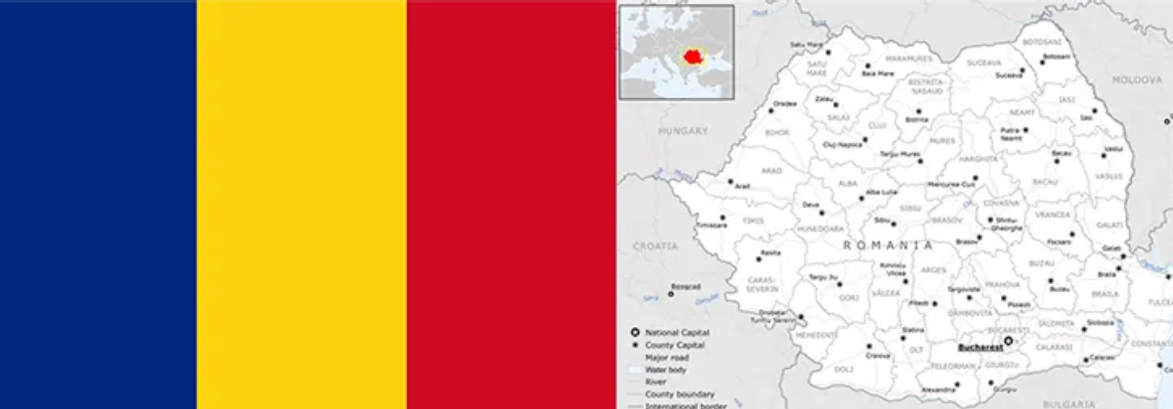
In the summer of 1940, Romania faced significant territorial losses as the Soviet Union occupied Bessarabia and Northern Bukovina, Hungary annexed Northern Transylvania, and Bulgaria took Southern Dobruja. These events destabilised the nation and diminished public confidence in the government. On 23rd November 1940, Romania joined the Axis powers.
The country became a crucial ally to Nazi Germany, providing vital resources such as oil and grain, and contributing a substantial military force to the Eastern Front. Romanian troops were actively involved in key operations, including the invasion of the Soviet Union and the Battle of Stalingrad.
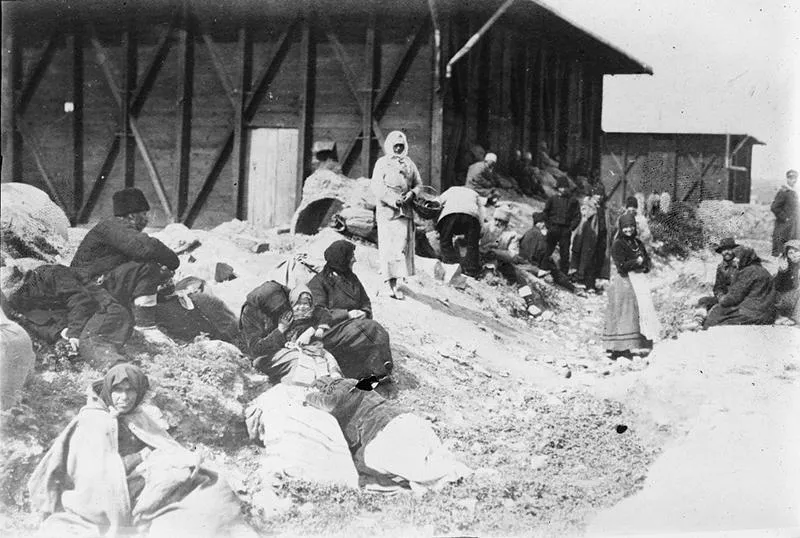
Estimates indicate that approximately 833,000 Romanian citizens perished, making up around 3.13% of the pre-war population. Of these, military deaths numbered around 300,000, while civilian fatalities reached approximately 533,000.
The civilian death toll includes significant numbers of women and children, who suffered not only from direct military actions but also from bombings, forced labor, and genocidal policies. Notably, during the Holocaust, Romanian authorities were responsible for the deaths of between 280,000 and 380,000 Jews, as well as 11,000 Roma individuals, through mass deportations and executions.
The alliance with Nazi Germany led to the exploitation of Romanian resources, with the German debt to Romania reaching approximately 1.5 billion Deutsche Marks by 23rd August 1944. Allied bombings targeted crucial economic centers, especially the oil industry, leading to substantial material losses and further straining the economy.
On 23rd August 1944, Romania switched allegiances and join the Allies. Despite this shift, the country fell under Soviet influence during the post-war period. The establishment of Soviet-Romanian joint ventures, known as SovRoms, facilitated the transfer of Romanian resources to the Soviet Union, further depleting the nation’s economic assets. The imposition of a communist regime led to significant political and social transformations, including land reforms and the nationalisation of industries.
Romania Joins Axis Powers
833K
Total Deaths (3.13% Population)
300K
280K – 380K
Jews Killed in Holocaust
The legacy of World War II and subsequent Soviet occupation profoundly influenced Romania’s societal and economic landscape. The forced implementation of communist policies disrupted traditional social structures and led to decades of economic hardship. The collectivisation of agriculture and centralised economic planning resulted in inefficiencies and a decline in living standards.
In summary, Romania’s involvement in World War II and its ensuing political shifts has led to significant loss of life, especially among civilians, and the enduring economic and societal repercussions continue to influence the nation to this day.
(Never Again – for Humanity)