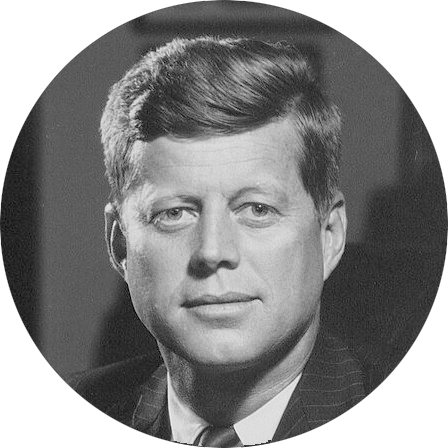
MULTICULTURAL PERSONALITY
Imran Khan KC

Since Winning the EMMA Award


Imran Khan KC is a British-Pakistani solicitor who has solidified his reputation as one of the UK’s most prominent human rights legal professionals. He continues his relentless pursuit of justice in cases that challenge institutional power and expose systemic inequality. Building on his groundbreaking work in the Stephen Lawrence case, which catalysed national conversations about racism in policing, Imran remained at the forefront of civil liberties law, representing victims of police misconduct, racial discrimination, and state overreach.
Appointed King’s Counsel in 2018, Imran’s elevation marked professional excellence and a powerful symbol of representation for British Muslims and ethnic minorities within the legal establishment. Throughout his career, Imran has tirelessly advocated for those marginalised by the system, using the law as shield and sword to hold institutions accountable. Imran’s cultural impact extends beyond the courtroom—he stands as a trailblazer for diversity in the legal profession and a persistent voice against injustice, inspiring a new generation to see the law as a vehicle for real, lasting change within British society and beyond.
Background (Before 1999)
Imran Khan was born in Pakistan in 1964 and raised in the UK. After studying law at the University of East London, Imran qualified as a solicitor in 1991. He quickly became known for taking on cases others wouldn’t touch, often representing clients from marginalised communities. Imran’s defining moment came in the early 1990s when he took on the case of Stephen Lawrence, a Black teenager murdered in a brutal racist attack in 1993. Imran’s relentless advocacy for the Lawrence family against a backdrop of police inaction and institutional racism brought national attention to structural failings within British law enforcement.
Imran’s legal strategy and public pressure contributed directly to the 1999 Macpherson Report, which labeled the Metropolitan Police “institutionally racist” and triggered sweeping reforms in policing and race relations in the UK. By the end of the decade, Imran had become a respected legal figure and a cultural icon of resistance and reform, breaking barriers as a British Pakistani Muslim in a profession historically dominated by white elites and proving that the law could be a powerful tool for equity and accountability.