#PeaceAdvocate
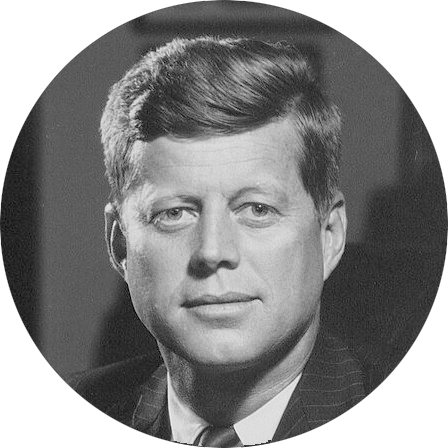
Lyndon B. Johnson
36th President of the United States
(27th August 1908 – 22nd January 1973)


Peace Quotes
“The guns and the bombs, the rockets and the warships, are all symbols of human failure.”
“If we are to live together in peace, we must come to know each other better.”
Background
Lyndon B. Johnson was born on 9th September 1828. He was the 36th President of the United States and is renowned for his ambitious domestic reforms, collectively known as the “Great Society,” which aimed to eliminate poverty and racial injustice.
Lyndon’s presidency was dominated by the Vietnam War. Initially, he escalated U.S. involvement, believing it was essential to prevent the spread of communism in Southeast Asia.
However, by 1968, facing mounting public opposition and the Tet Offensive, he recognised the need for a change in strategy.
On 31st March 1968, he announced a partial bombing halt in North Vietnam and expressed a willingness to engage in peace talks, signaling a shift toward de-escalation.
In the Middle East, Lyndon played a pivotal role in mediating the aftermath of the Six-Day War in 1967. He successfully pressured Israel to accept a ceasefire, preventing further escalation in the region.
Additionally, he worked with the Soviet Union to pass UN Security Council Resolution 242, which called for the withdrawal of Israeli forces from occupied territories and the recognition of every state’s right to live in peace within secure and recognised boundaries.
Lyndon’s foreign policy in Latin America was guided by the Johnson Doctrine, which asserted that the U.S. would not permit the establishment of communist governments in the Western Hemisphere.
This policy led to U.S. intervention in the Dominican Republic in 1965 to prevent a communist takeover, aiming to maintain stability and peace in the region. Despite the challenges in Vietnam, Lyndon sought to ease Cold War tensions through arms control agreements.
His administration signed the Outer Space Treaty in 1967, which prohibited the placement of nuclear weapons in space, and laid the groundwork for future Strategic Arms Limitation Talks (SALT). These efforts were steps toward reducing the risk of nuclear conflict and promoting global peace.
Whilst Lyndon B. Johnson’s legacy is complex, his contributions to the civil rights movement, and global peace include initiating the de-escalation of the Vietnam War, mediating conflicts in the Middle East, implementing the Johnson Doctrine in Latin America, and pursuing arms control agreements during the Cold War.