WORLD WAR II
Hungary
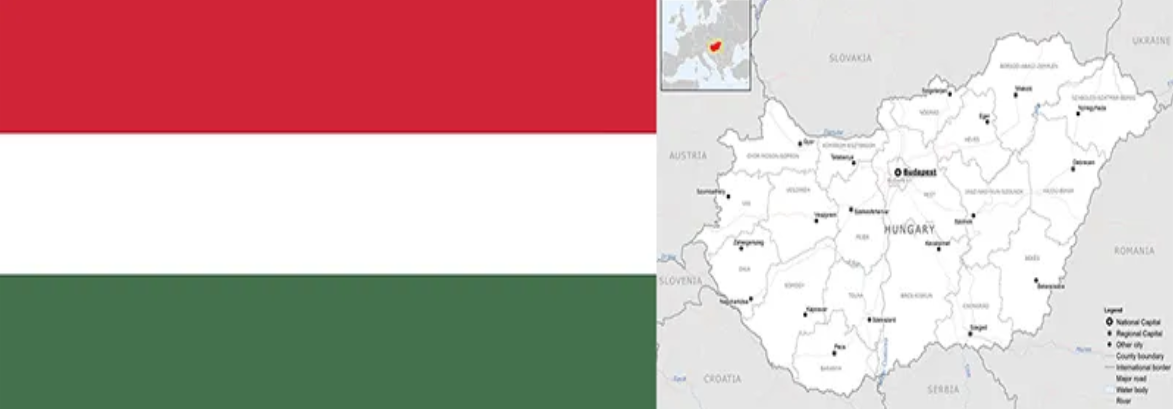
Initially, Hungary sought to regain territories lost after World War I by aligning with the Axis powers. On 26th June 1941, following unconfirmed attacks on Hungarian cities, Hungary’s involvement in World War II began after the country declared war on the Soviet Union. As the war progressed and Hungarian forces suffered significant losses, notably at the Battle of Stalingrad, the government began clandestine negotiations with the Allies. In response, German forces occupied Hungary on 19th March 1944, installing a puppet regime under the Arrow Cross Party, which intensified anti-Semitic policies and cooperation with Nazi Germany.
The German occupation led to the rapid and tragic escalation of the Holocaust in Hungary. Between 15th May 15 and 9th July 1944, approximately 434,000 Jews were deported to Auschwitz, where the majority were murdered upon arrival. In total, around 550,000 Hungarian Jews perished during the Holocaust.
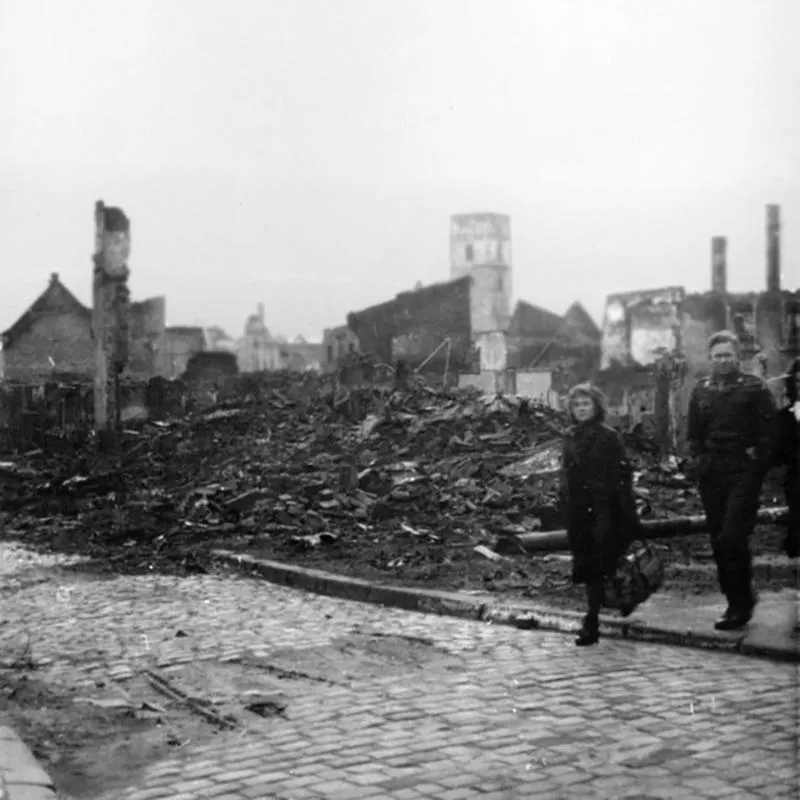
The Roma community also faced severe persecution, with an estimated 28,000 Roma killed during this period. Many women were subjected to sexual violence; estimates of rape victims range from 5,000 to 200,000. Children, who were often orphaned or separated from their families, faced starvation, disease, and exploitation. The Siege of Budapest alone resulted in approximately 38,000 civilian deaths, including many women and children.
Hungary’s military involvement was substantial. The Second Hungarian Army, deployed to the Eastern Front, suffered catastrophic losses, with estimates of up to 84% of its personnel becoming casualties. Overall, Hungarian military losses are estimated between 300,000 and 310,000, including those killed in action and those who died as prisoners of war.
The war devastated Hungary’s economy. Industrial capacity was severely reduced, with at least 40% of the nation’s capital stock destroyed. The immediate post-war period also saw one of the worst hyperinflations in history. At its peak in July 1946, prices doubled approximately every 15 hours. Approximately 700,000 Hungarians were deported to the Soviet Union for forced labor, with only about 300,000 returning home.
Entered WWII
550,000
Jewish Lives Lost
434,000
Jews Deported
300K–310K
Military Deaths
In contemporary Hungary, the legacy of World War II continues to influence society. Efforts to commemorate the victims of the Holocaust and educate future generations about the atrocities have been ongoing. However, debates persist regarding the acknowledgment of Hungary’s role in the war and the actions of its wartime governments.
The economic upheaval of the post-war period set the stage for decades of political and social transformation, the effects of which are still evident today.
(Never Again – for Humanity)