WORLD WAR II
Peru
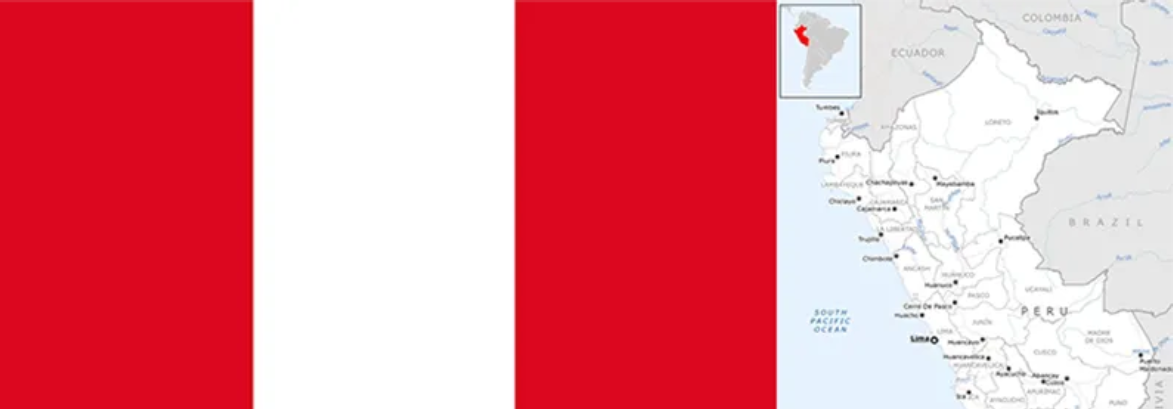
Peru’s involvement in World War II was multifaceted, encompassing regional conflicts, internal economic challenges, and societal shifts that have left enduring impacts on its civilian population, particularly women and children. Although Peru did not engage directly in overseas combat, it played a significant role in the regional theater through the Ecuadorian–Peruvian War of 1941. This brief but intense conflict, commencing on 5th July 1941, arose from longstanding territorial disputes and resulted in a decisive Peruvian victory, leading to the signing of the Rio Protocol in 1942, which largely favored Peru’s territorial claims.
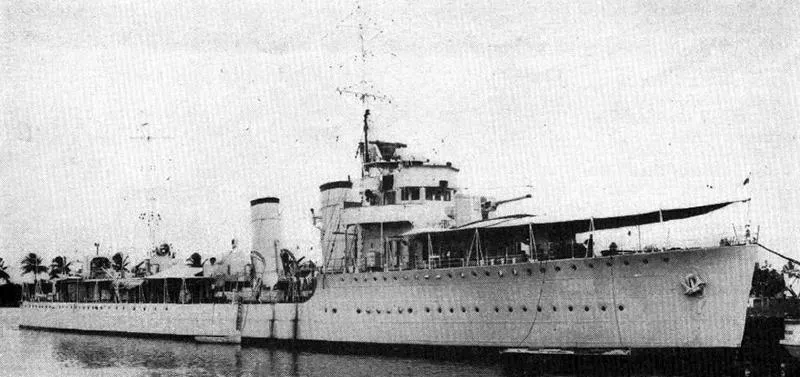
The war effort prompted a substantial expansion of the Peruvian military, with forces increasing from approximately 8,000 personnel in 1932 to nearly 26,000 by 1941, reflecting a significant militarisation within a short period. Despite global wartime economies experiencing growth, Peru’s economic performance lagged, with its reserves increasing by only 55%, a stark contrast to neighboring countries like Brazil, which saw a 635% increase. This economic stagnation hindered advancements in key sectors such as mining, fishing, and manufacturing, limiting employment opportunities and exacerbating poverty levels.
Women and children bore a disproportionate share of these hardships, as traditional societal norms restricted women’s access to resources and decision making roles, thereby intensifying their vulnerability during times of economic distress.
The Japanese-Peruvian population, numbering around 25,000, faced severe persecution following Japan’s attack on Pearl Harbor in 1941. This xenophobic backlash led to violent riots resulting in deaths and injuries, and between 1942 and 1945, approximately 1,800 Japanese-Peruvians were forcibly deported to the United States and placed in internment camps, disrupting communities and causing long term socio-economic repercussions.
Ecuador–Peru War Begins
26K
Military Strength by 1941
25K
Japanese-Peruvian Population
1.8K
Deported to Internment Camps
The conclusion of World War II did not immediately alleviate these challenges. The Peruvian economy struggled with external debt, particularly to British creditors, necessitating the Grace Contract, which ceded control of major resources like railways and guano to foreign entities in exchange for debt relief, thereby impacting national sovereignty and economic autonomy.
In the post-war era, women continued to face systemic inequalities, with high illiteracy rates, especially in rural areas where 33.7% of women were illiterate, limiting their participation in economic and political spheres.
(Never Again – for Humanity)