WORLD WAR II
Thailand
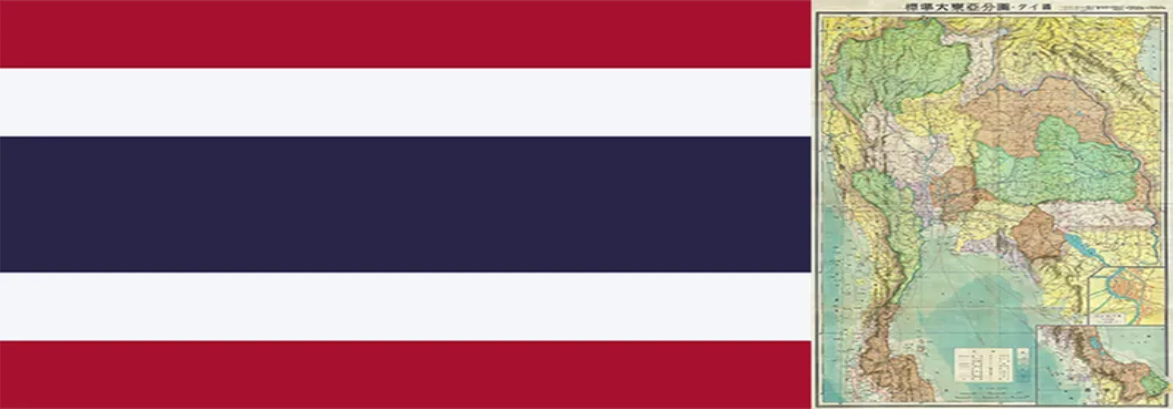
During World War II, Thailand’s role was complex and multifaceted, marked by a shift from neutrality to collaboration with Japan, followed by a post-war reckoning.
The war in Thailand began when Japan invaded in December 1941, shortly after the attack on Pearl Harbor. Japan sought to secure Thailand as a base to launch further military operations in Southeast Asia. Thailand’s leadership initially tried to maintain neutrality, but under pressure, they signed an alliance with Japan, allowing Japanese forces to use Thailand as a corridor to invade neighboring countries such as Burma and Malaya. In return, Japan promised not to occupy Thailand. However, in 1942, Japan did occupy parts of the country, especially along the border regions, and coerced Thailand into formally declaring war on the Allied powers.
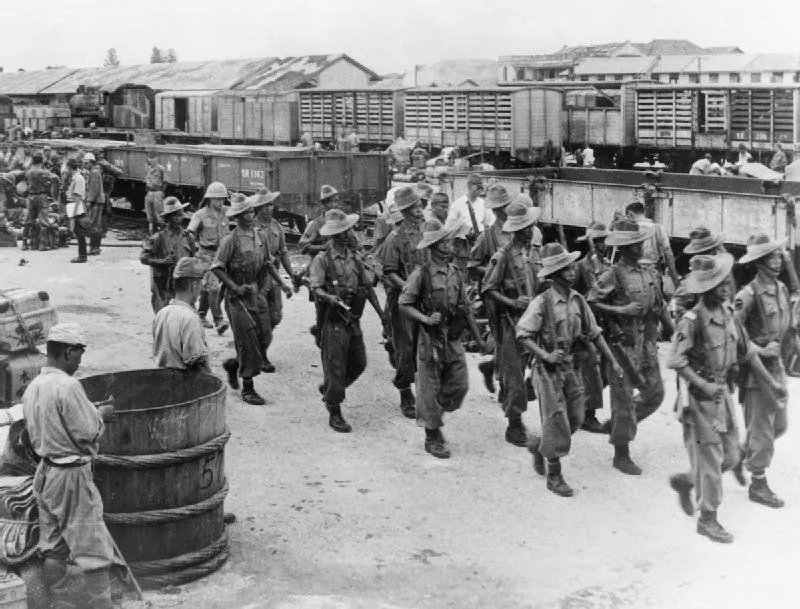
The military situation in Thailand was dire, with significant troop movements and battles taking place on its soil, particularly along the border areas. Approximately 70,000 Japanese soldiers were stationed in Thailand during the war, with the Thai military, which was weak and unprepared for such a large-scale conflict, numbering only around 80,000 troops.
Civilians in Thailand, including women and children, faced immense hardship during the war. While the Thai government worked with Japan to some extent, many Thai civilians, especially those in rural areas, were forcibly conscripted to work for the Japanese military, particularly in the construction of the infamous Burma-Thailand Railway. This grueling project, aimed at connecting Burma and Thailand for the movement of Japanese troops and supplies, saw thousands of Thai civilians forced into labor, resulting in many deaths due to brutal conditions, malnutrition, and disease.
In total, over 100,000 people, including Thai civilians, were estimated to have died during the construction of the railway, with an alarming number of them being women and children who were caught in the vicious cycle of war-related forced labor and deprivation.
During the Japanese occupation, civilians were also subjected to bombings by Allied forces, as well as food shortages, which severely impacted the civilian population, further compounding the suffering of women, children, and the elderly.
The economic impact of the war on Thailand was profound, with its infrastructure severely damaged by bombings and its agricultural economy deeply affected by both the war effort and subsequent shortages. The rice trade, which was a major economic activity for the country, was disrupted, leading to inflation and famine in some regions.

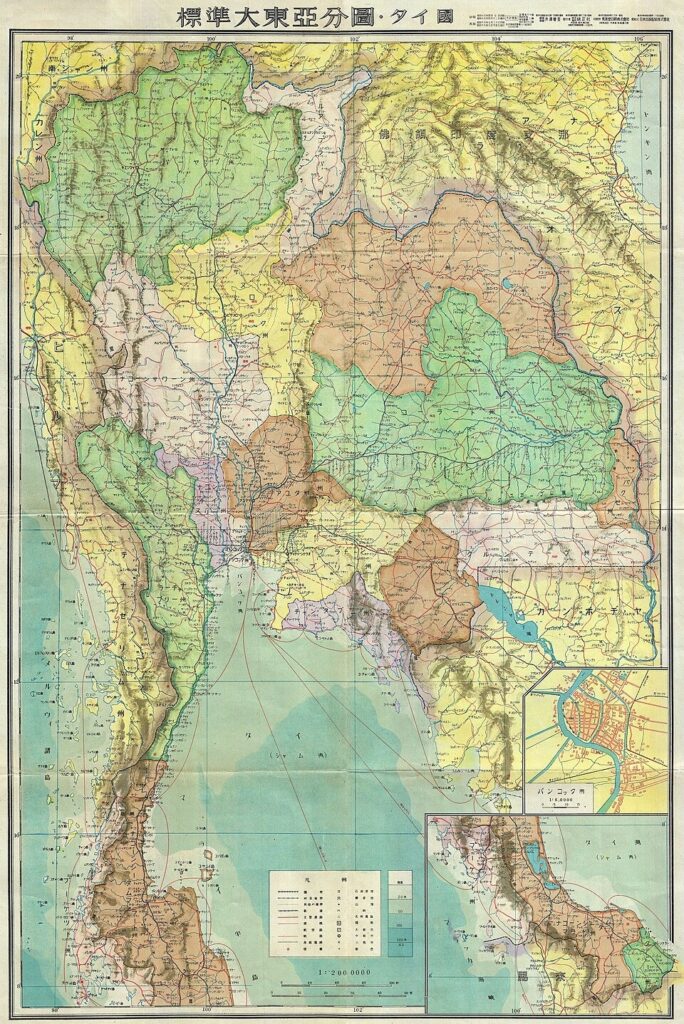
Following Japan’s surrender in 1945, Thailand faced a period of reckoning, as the country was forced to disavow its alliance with Japan and make reparations for its wartime actions. The post-war period saw a return to political instability, as Thailand had to rebuild its economy and address the widespread resentment of its wartime collaboration.
The civilian population had been severely affected, and the scars of the war lingered, with many families mourning the loss of loved ones and others struggling to recover from the economic and social upheaval.
The war also led to changes in Thailand’s political landscape, as the nation moved away from its monarchy’s traditional governance and into a period of military rule, which continued for decades after the war. Thailand’s social fabric, already strained by the war, was further tested by the arrival of political and ideological movements, many of which were influenced by the global shifts of the post-war period. In the long term, the war’s impact on Thailand shaped the country’s modern identity, fostering a sense of nationalism and a desire for stability.
Japanese Invasion of Thailand
70,000
Japanese Troops Stationed
80,000
Thai Military Strength
100,000+
Deaths (Burma–Thailand Railway)
Today, Thailand remembers its wartime experiences through memorials, education, and reflection, particularly focusing on the lives lost in the construction of the Burma-Thailand Railway and the suffering endured by its civilian population.
The economic recovery after the war was slow, but over the decades, Thailand managed to rebuild, eventually becoming one of Southeast Asia’s most prominent economies. However, the psychological and societal effects of the war on the civilian population, particularly women and children, remained, and the legacy of those who perished during the war continues to affect Thai society’s values, including its emphasis on resilience and peace.
The memory of the war, particularly in the context of collaboration with Japan, remains a sensitive issue in Thailand’s historical narrative, and it serves as a constant reminder of the costs of war and the need for peace in Southeast Asia.
(Never Again – for Humanity)